Water Damage Restoration Santa Fe Springs, CA
Pipes, appliances and roofs fail in Santa Fe Springs homes, rentals and big industrial buildings alike. The restoration crew extracts the water, dries the structure to the S500 standard and documents every reading for the claim.
(888) 563-9619Tell the crew what the water touched- Homes and warehouses
- S500 drying standard
- Truck-mounted extraction
- Daily moisture logs
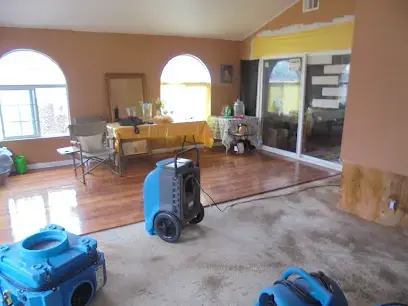
Water damage services across Santa Fe Springs
Each page below covers one kind of water problem, from a failed supply hose in a rental to a flooded warehouse slab, and explains how the crew handles it in Santa Fe Springs.
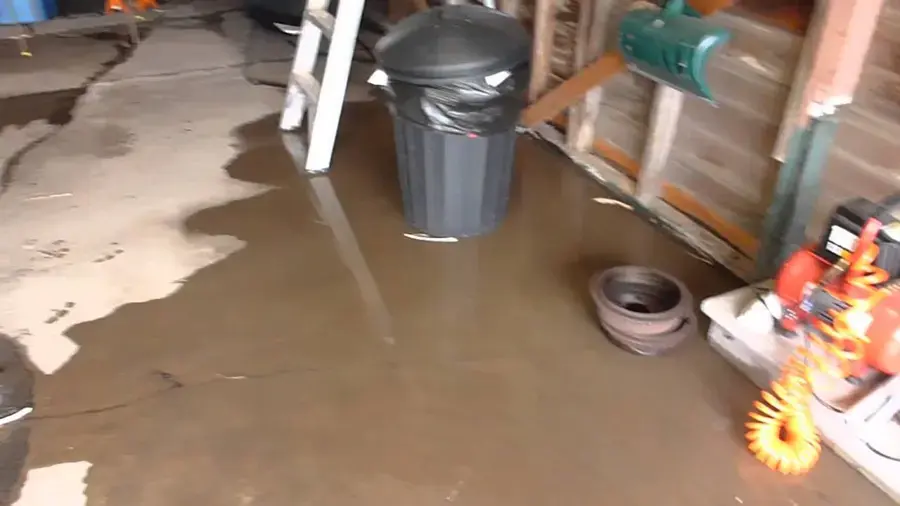 Water Extraction & RemovalTruck-mounted units pull standing water from living rooms, garages and wide industrial floors before it soaks deeper into the structure.View the service
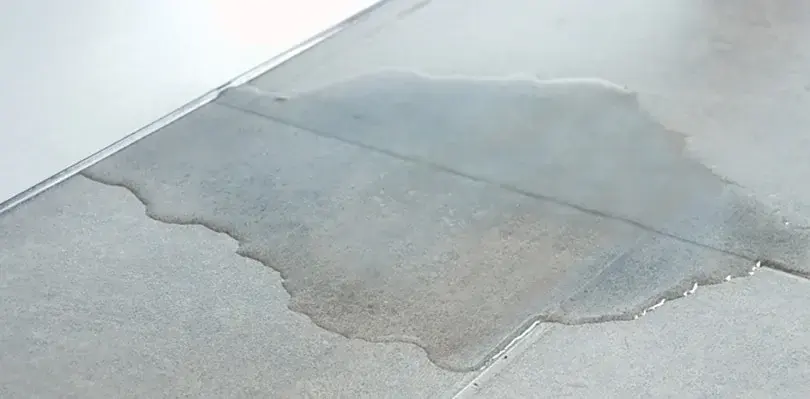
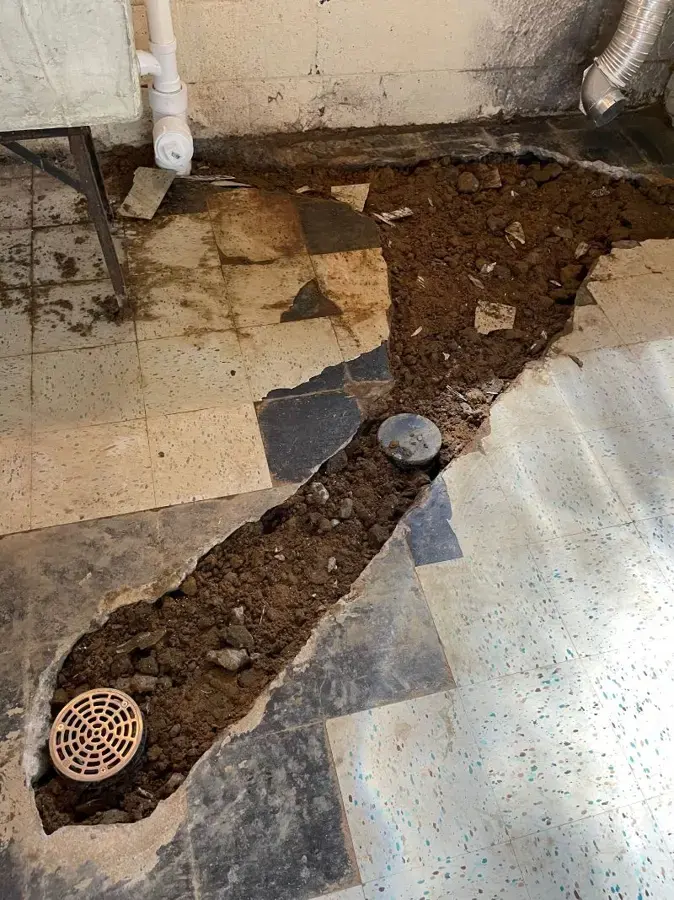 Slab Leak Water DamageA wet spot or warm patch on a concrete floor can signal a leaking pipe below, so the flooring and slab are dried out.View the service
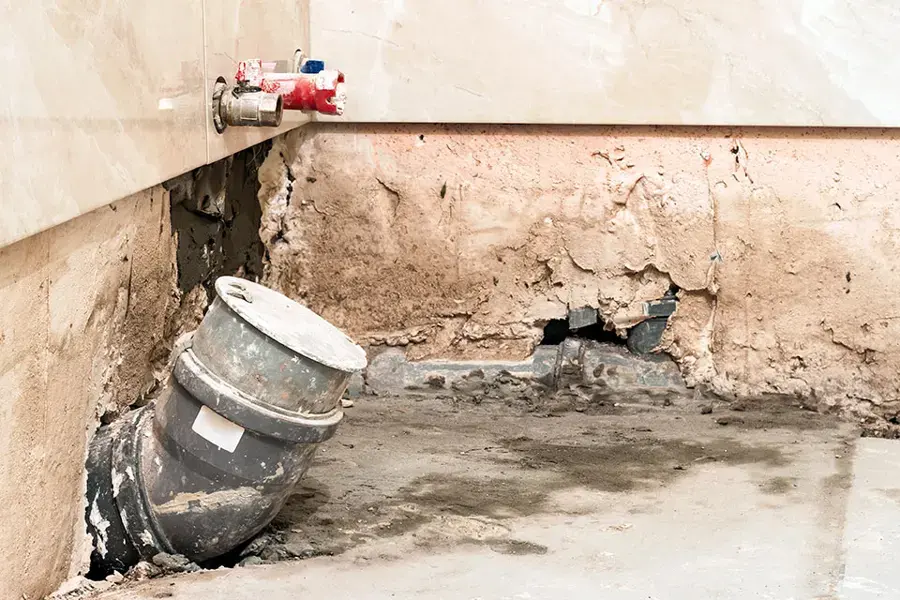
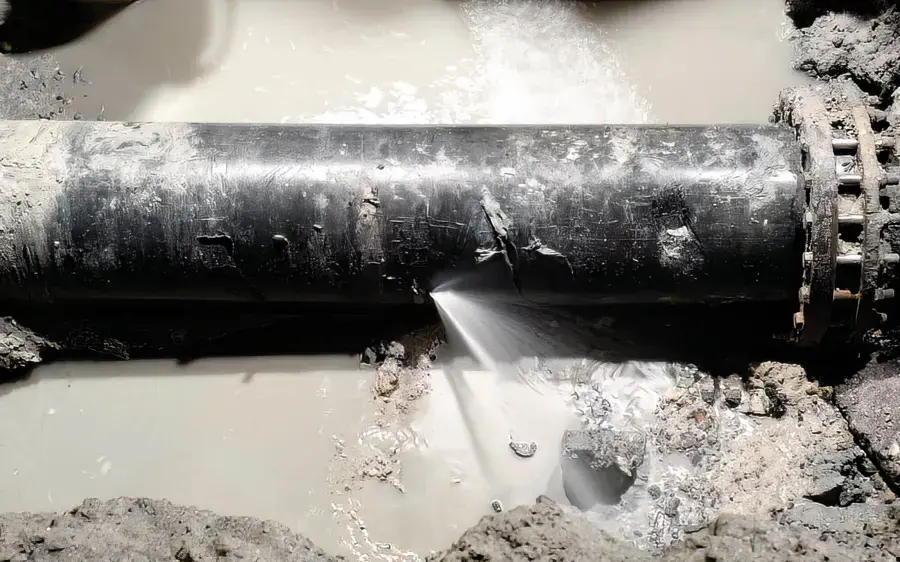 Burst Pipe CleanupA supply pipe, fitting or valve that fails sends water across floors and into walls until it is shut off and the cavity is dried.View the service
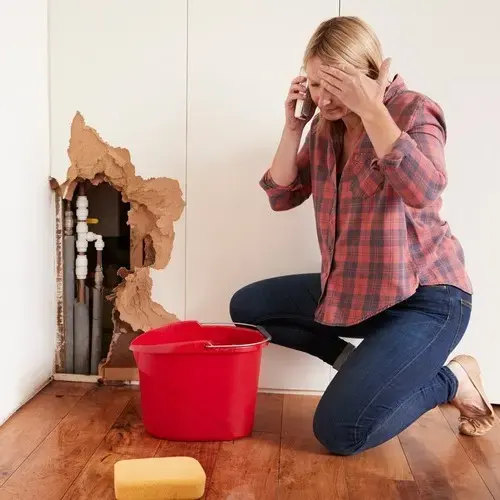 Galvanized Pipe Leak DamageRusted steel supply pipe can weep inside a wall for a long time, leaving wet framing, soft drywall and stained paint behind.View the service
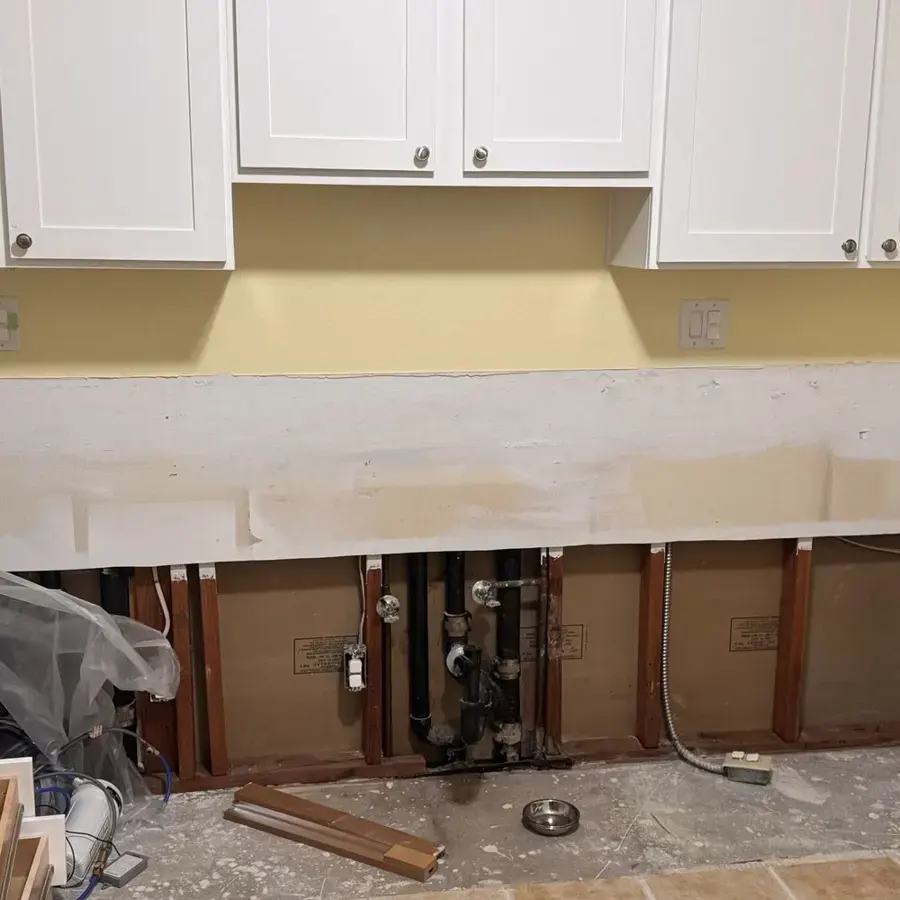 Appliance & Supply Hose LeaksWasher hoses, dishwasher connections and ice maker tubing leak into cabinets and floors, and rentals often share the damage with a neighbor.View the service
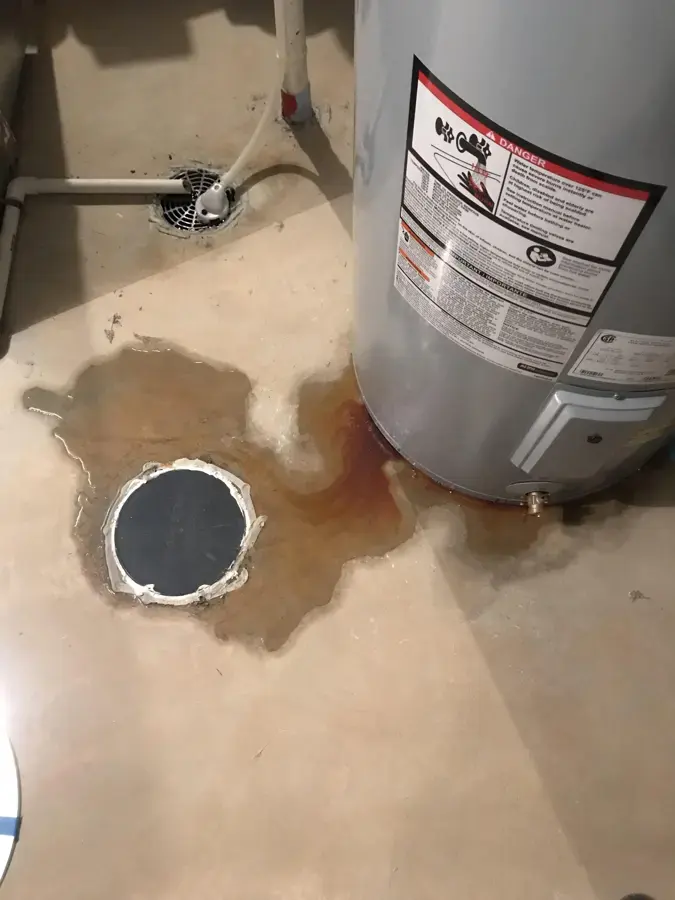
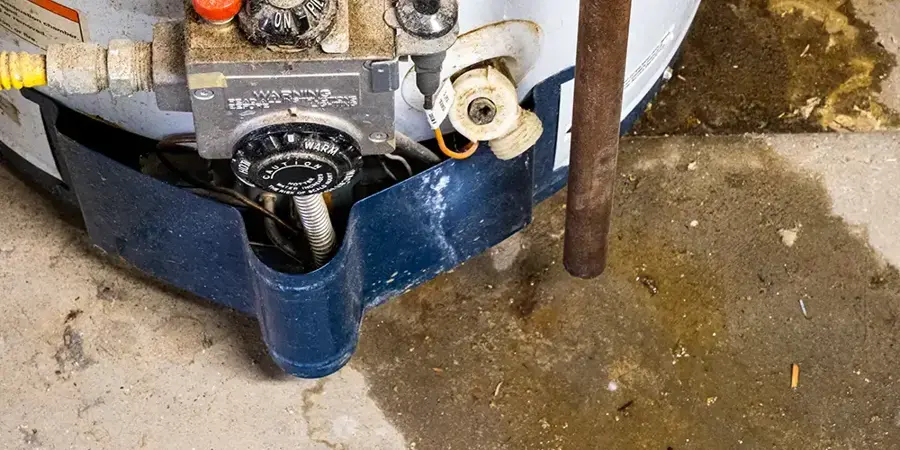 Water Heater Leak CleanupA tank that seeps or ruptures in a garage or closet spreads water into nearby rooms, and the wall base needs drying too.View the service
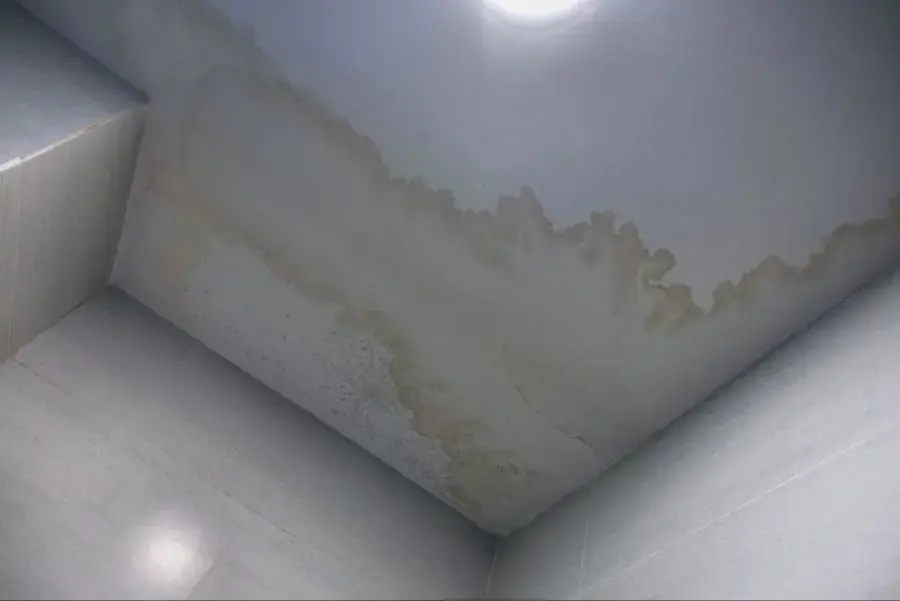 AC Condensate & Attic Unit LeaksOverflowing drain pans on summer air conditioners stain ceilings below, and wet attic insulation holds moisture long after the unit is fixed.View the service
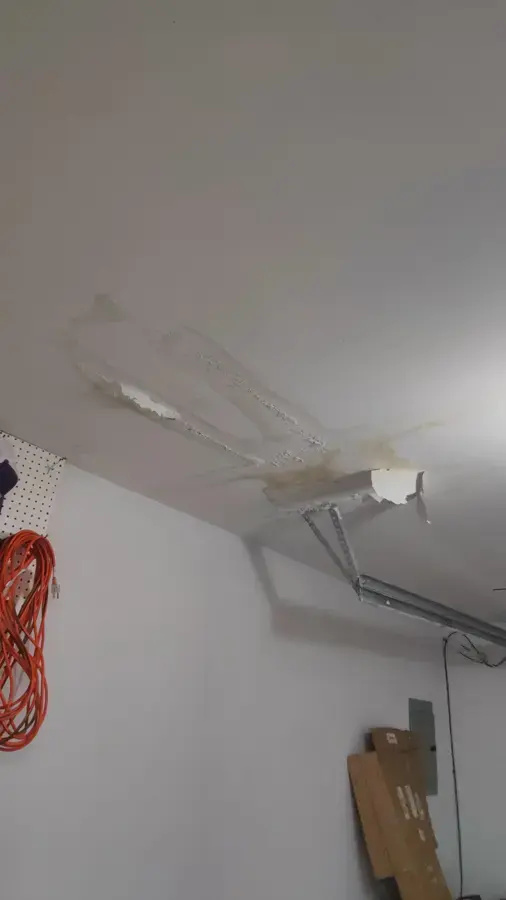 Ceiling Leak Water DamageWater through a ceiling comes from a bathroom, a unit above or a pipe in the attic, and it soaks drywall and fixtures.View the service
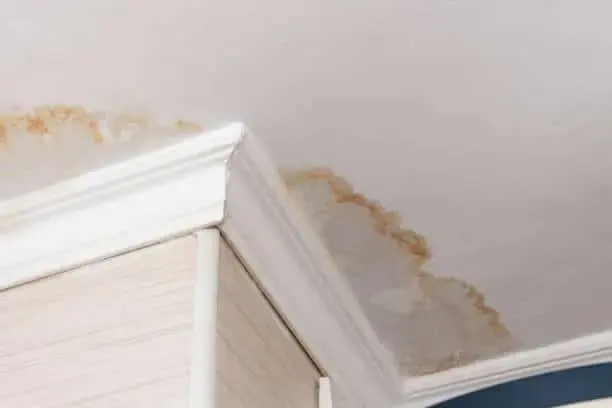 Roof Leak Water DamageWinter rain finds flashing, vents and flat commercial roofs, then runs down through insulation, ceilings and wall cavities.View the service
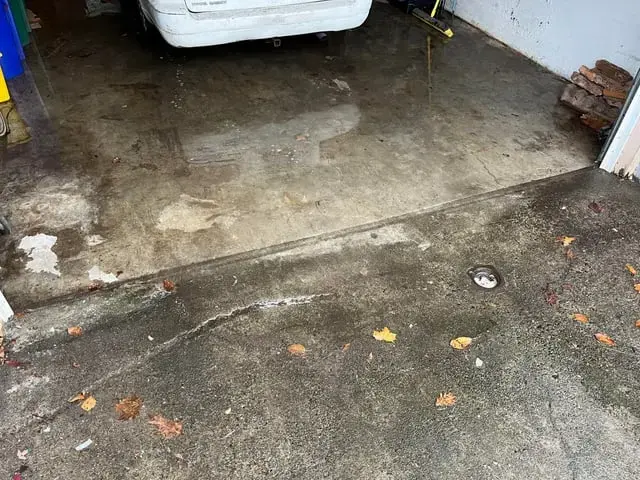
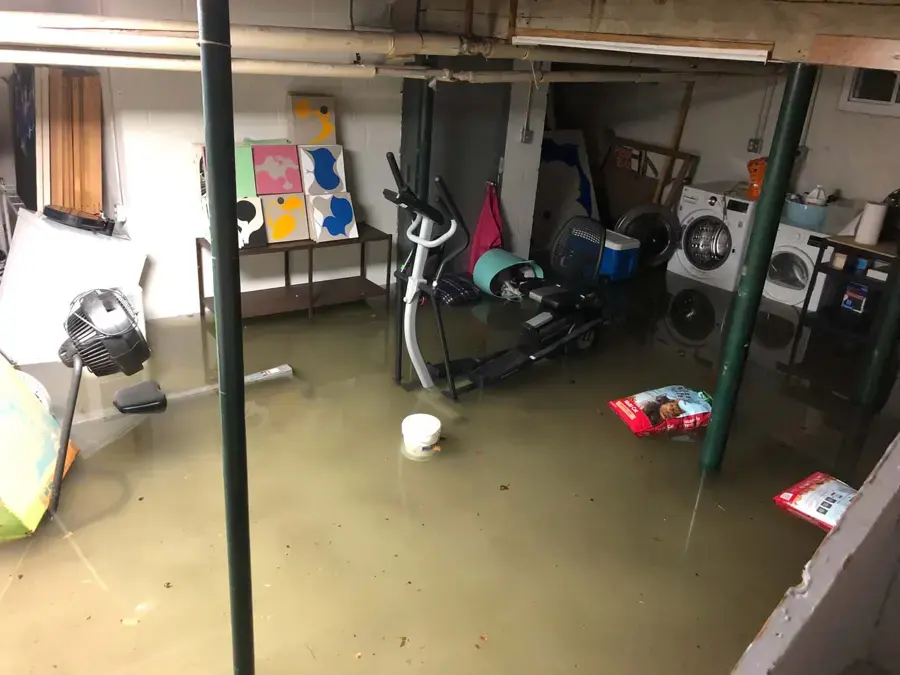 Winter Storm & Street FloodingHeavy winter storms are a regional pattern in Los Angeles County, and runoff that reaches a garage or ground floor needs full cleanup.View the service
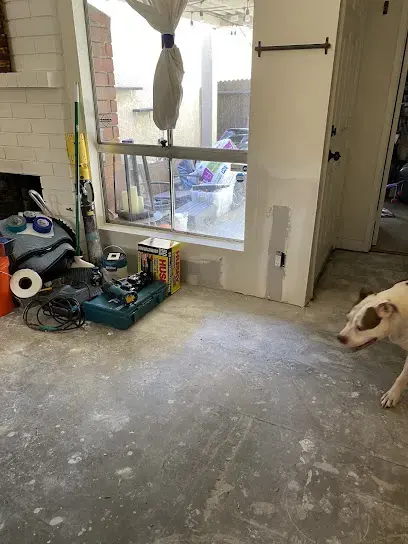 Structural Drying & DehumidificationAir movers, dehumidifiers and daily readings continue until floors, framing and cabinets reach the dry goal in homes and big buildings.View the service
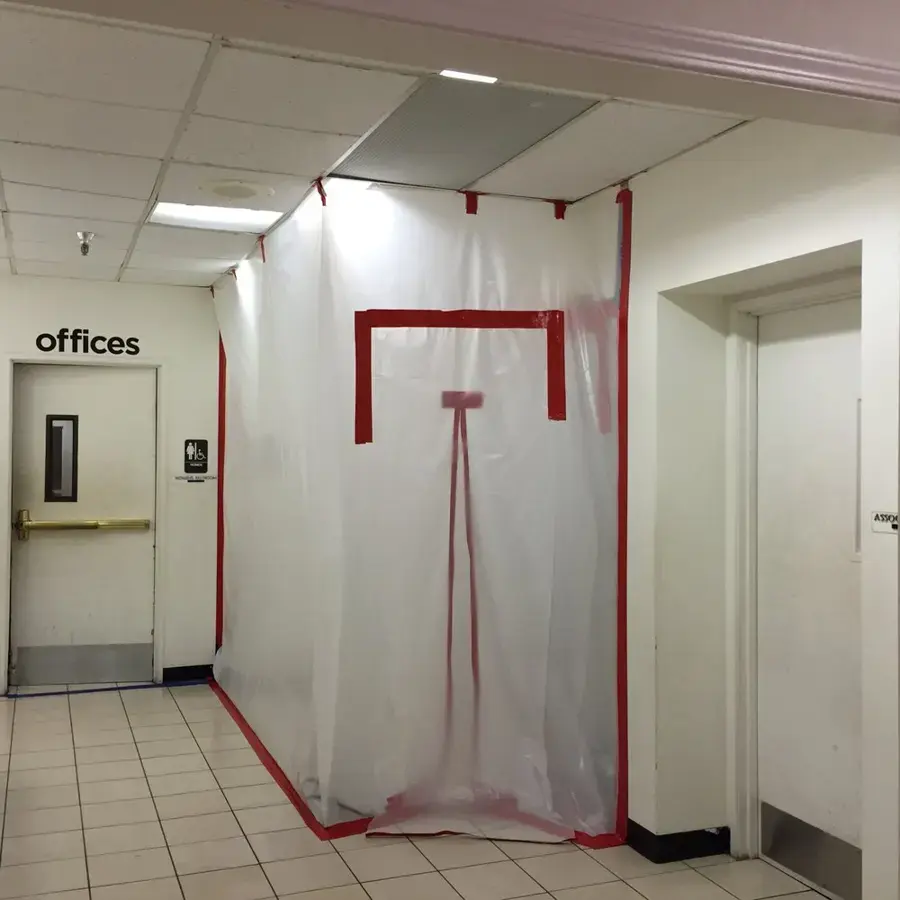
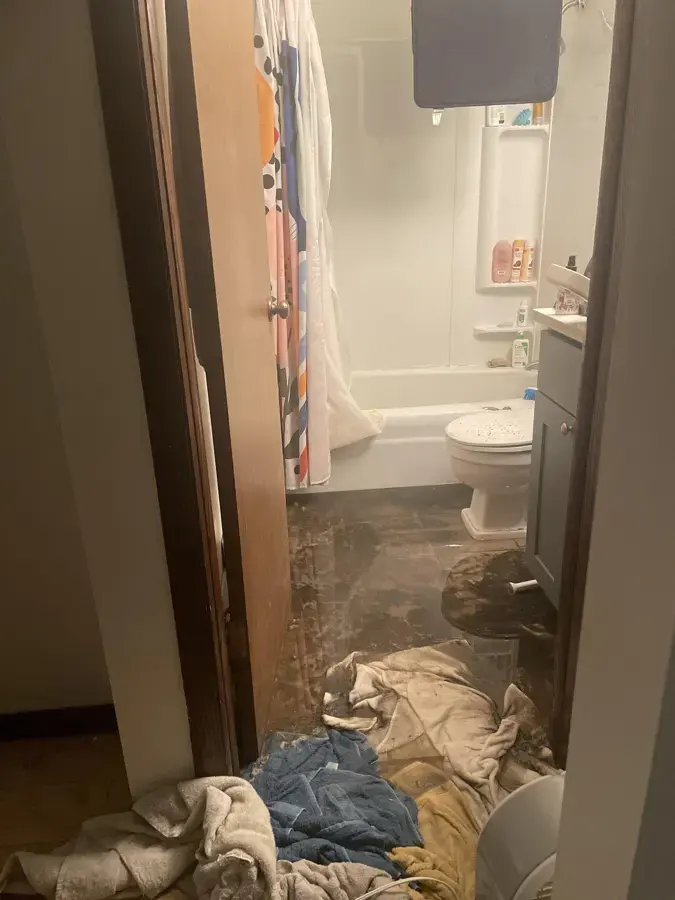 Sewage Backup CleanupSewer backups are Category 3 water, so the cleanup uses containment, protective gear and removal of porous materials.View the service
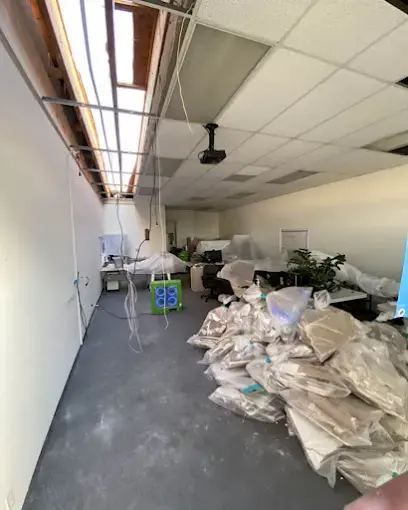 Commercial Water DamageManufacturing floors, food facilities, offices and open-air shopping centers each carry their own water risks and need a plan around operating hours.View the service
Need water removed now?
Describe the wet rooms and the source, and the restoration team will plan the extraction and drying for the property.
Talk to the crew
A restoration crew that knows these buildings
From a rented duplex to a distribution warehouse, the crew treats water damage as a drying problem with a standard, a schedule and a paper trail that an adjuster can follow.
Rapid local response
The crew is on duty around the clock and arrives ready to extract, whether the water is in a Heritage Park area home or a Telegraph Road building.
IICRC S500 standard
Drying follows the IICRC S500 standard: equipment sized to the room class, moisture mapped on day one and readings repeated until the materials reach their dry goal.
Claim-ready documentation
Photos, moisture logs and an itemized scope go into one file, so an adjuster can see what was wet, what came out and why.
Local water know-how
Santa Fe Springs mixes owner-occupied homes, rentals and light industry, and the crew plans each job around the building type it is working in.
What to do while the water is still spreading
These five steps limit the damage until the restoration crew takes over.
- 1
Stop the source if it is safe: close the fixture valve or the main shutoff, and switch off breakers feeding any wet room.
- 2
Keep people and pets out of standing water, and treat anything from a sewer drain as contaminated until the crew has assessed it.
- 3
Photograph the damage and the source before anything is moved, then lift small valuables, rugs and paper goods onto dry surfaces.
- 4
Open cabinet doors and closets so air reaches wet walls, and leave the heavy lifting of furniture and carpet to the crew.
- 5
Call the restoration team and describe what is wet and where, so the extraction crew can bring the right equipment for the building.
A Santa Fe Springs dry-out, day by day
The cycle is mapping, drying and checking, and the number of days depends on the materials and the class.
- Moisture mapped first
- Equipment sized by class
- Readings every day
- Dry goal confirmed
- Day 1
Map and remove
A moisture meter and thermal camera map the wet area, then the crew extracts standing water and pulls soaked pad.
- Days 2 and 3
Set the drying
Air movers, LGR dehumidifiers and drying mats go in, sized to the class of water, and the room is closed up to dry.
- Daily
Read and adjust
The tech returns to read moisture in walls, floors and cabinets, logs the numbers and moves equipment where the readings stay high.
- Final day
Confirm and remove
Once every reading reaches the dry goal, the equipment comes out and the logs, photos and scope are assembled for the insurance file.
Equipment on a Santa Fe Springs job
- Truck-mounted extractors
- LGR dehumidifiers
- Air movers
- Thermal imaging cameras
- Moisture meters
- HEPA air scrubbers
Three water categories decide how the cleanup is done
The IICRC S500 sorts water by contamination, and the category sets the protective gear, the materials that must be removed and the drying plan.
Category 1: clean water
Water from a supply pipe, a washer hose or a tank that has just failed. It is clean at first and can degrade if the materials stay wet.
Category 2: gray water
Used water from a dishwasher, a washing machine drain or an overflowing sink. It carries contaminants, so carpet pad is usually removed and surfaces are treated.
Category 3: black water
Sewage, and flood water that has crossed the ground outside. It needs containment, protective gear and removal of porous materials, and no one should handle it alone.
Sewage cleanup in Santa Fe SpringsWhat does water damage restoration cost in Santa Fe Springs, CA?
Most Santa Fe Springs jobs land between $1,500 and $10,000, and the spread comes from how many rooms are wet, how long the water sat and which materials have to come out. Sewage and large commercial floors cost more.
Ranges are planning figures, and the written scope after the walkthrough sets the real price for the property and the materials involved.
Documenting a water damage claim
The paperwork starts on day one, and a complete file makes the adjuster's work simpler.
- Dated photos of the source and every wet surface before demolition
- Daily moisture readings for walls, floors and cabinets with the dates
- An itemized list of every material removed and the reason
- The drying equipment placed in each room and the days it ran
- A short written note on the cause and the date of loss
In Santa Fe Springs, about 39% of housing units were rented at the 2010 Census, so a claim may involve a tenant policy, an owner policy or both. The crew keeps one record that serves every party.
Policies differ, so the insurer decides what is covered and the crew only supplies records.
Water damage work in Santa Fe Springs homes and buildings
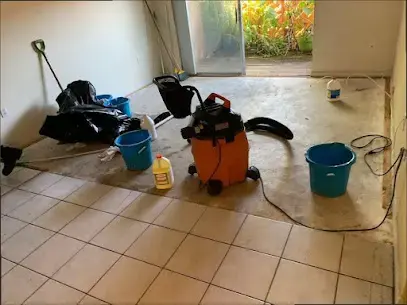
One call reaches Santa Fe Springs water damage pros, 24/7
The crew covers ZIP 90670 and the whole city, from the Heritage Park area and Four Corners to Carmenita and the Telegraph Road, Norwalk Boulevard and Florence Avenue corridors. Homes, rentals, warehouses and shops all get the same careful approach.
ZIP 90670Neighborhoods
Corridors
Landmarks
Nearby
What drives water damage in Santa Fe Springs
Santa Fe Springs mixes homes, rentals, light industry and open-air shopping centers, so the water risks run from a leaking washer hose to a flooded warehouse floor. Five patterns come up most often.
Union Oil began drilling near Norwalk Boulevard and Telegraph Road, known locally as Four Corners, in 1907, and the Union-Bell well blew in as a 2,500-barrel gusher in 1921. That gusher soon put the field among the richest in petroleum history, and oil production continues in the city.
Winter storms, November to March
Most rain falls between November and March, and atmospheric river storms such as the December 2025 series put flood watches across California.
Flat roofs and flashing
Roof leaks tend to show at flashing, vents and the large flat roofs on commercial buildings, then travel down through insulation and ceilings.
Rentals add claim layers
With about 39% of units rented in the 2010 Census, one leak can involve a tenant, a property manager and an owner policy.
Hot, dry summers on AC
Warm dry summers keep air conditioners running, and a clogged condensate drain or overflowing pan can stain a ceiling before anyone notices.
Large industrial buildings
Very large manufacturing and distribution buildings mean big slabs and long drying runs, and a single failed pipe or sprinkler can wet a wide area.
Water damage questions in Santa Fe Springs, answered
Water still moving?
Stop the source if it is safe, then call the crew and say what is wet.
Call the Santa Fe Springs crewHow soon should water damage be dried out?
Drying should begin as soon as the source is stopped, because wet drywall, pad and framing start to degrade and mold can begin to grow in 24 to 48 hours.
What is the first thing to do after a pipe bursts?
Shut off the water at the fixture valve or the main, switch off breakers to wet rooms, take photos and call the restoration team to start extraction.
Does the crew work with insurance adjusters?
Yes. The crew writes a scope, keeps dated photos and moisture logs, and sends the file in the format an adjuster expects, while the insurer makes the coverage decision.
Who handles a sewer backup in Santa Fe Springs?
The Los Angeles County Sanitation Districts list Los Angeles County Public Works as the contact for sewer backups in the city, and the restoration crew handles the cleanup of the affected rooms.
Does the crew work in warehouses and shops?
Yes. The crew brings large-area extraction and high-volume dehumidifiers for industrial and commercial floors, and plans the drying around operating hours so the business can keep working where possible.
How long does structural drying take?
Most residential jobs of structural drying run a few days with equipment on site, but the real answer is the moisture reading: drying ends only when walls, floors and cabinets meet the dry goal.
Can carpet be saved after a water loss?
Carpet that took in clean Category 1 water can often be dried in place if it is acted on early, while carpet pad is usually removed and contaminated carpet is discarded.
Do renters need to tell the landlord first?
Renters should tell the property manager at once, because the building owner may need to open a claim, and the tenant policy can cover belongings separately.
Why do ceilings stain in summer?
Air conditioner drain pans and condensate drains can overflow when units run hard in warm weather, and the water soaks the drywall below before a stain appears, so a ceiling spot is worth checking early.
Who runs the water system for the city?
The Santa Fe Springs Water Utility Authority runs the city water system, so a break in the street main is reported to it, while water inside the property is a restoration job.
Get the water stopped and the drying started
The crew works around the clock for homes, rentals and industrial buildings across Santa Fe Springs and starts with a clear plan for the water.