Sewage Backup Cleanup in Santa Fe Springs, CA
A sewer backup puts Category 3 water on the floor, and it is not safe to handle without protection. The restoration crew contains the area, removes contaminated materials and dries the structure.
(888) 563-9619Say which drain backed up- Category 3 containment
- Protective gear on every job
- Antimicrobial treatment
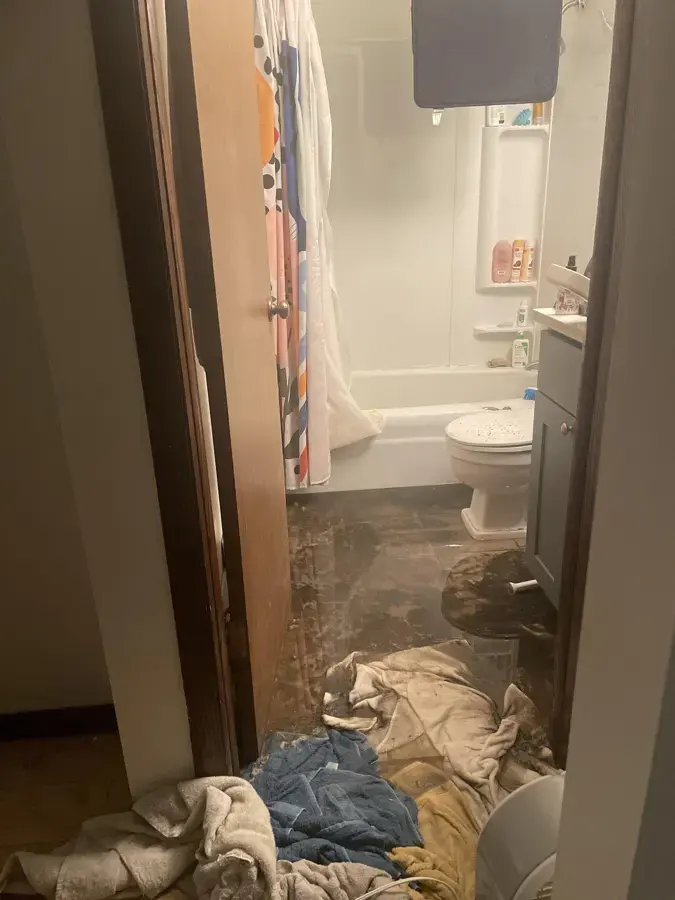
First steps for sewage backup cleanup in Santa Fe Springs
- 1
Keep everyone out
People and pets stay out of the affected rooms, and the water is treated as contaminated.
- 2
Stop the source
Fixtures that feed the drain stay off until a plumber or the responsible agency clears the blockage.
- 3
Contain and remove
The crew seals the area, extracts the water and removes porous materials that soaked.
- 4
Clean and dry
Surfaces are cleaned and treated, air scrubbers run and equipment dries the structure.
How sewage backup cleanup is handled in Santa Fe Springs
Contain before cleaning
Plastic barriers and negative air keep the contaminated area separate, so the rest of the home or building stays clean while the crew works.
Remove what cannot be cleaned
Carpet, pad, soaked drywall and insulation that touched sewage are bagged and removed, because porous materials cannot be made safe once they have absorbed it.
Treat the structure
Hard surfaces, framing and the slab are cleaned and treated with antimicrobial products, and HEPA scrubbers clean the air during the work.
Dry and verify
Equipment dries the slab, the framing and any remaining cavities, and the log records readings before the area is released for rebuilding.
What does sewage backup cleanup cost in Santa Fe Springs, CA?
Sewage backup cleanup in Santa Fe Springs usually costs $2,500 to $15,000, depending on how many rooms were affected and how much flooring and drywall has to be removed, and on whether containment is needed.
The drivers are the water category, the square footage that got wet, the material class and how fast drying started. The water damage cost calculator gives a planning range; a firm number comes after the walkthrough.
How sewage backup cleanup moves from wet to dry
- 1
Isolate
Keep people and pets out and seal the area with plastic
- 2
Extract
Remove sewage water from floors and every low spot
- 3
Remove
Bag and remove porous materials that soaked up the water
- 4
Treat
Clean, treat and dry the structure
Sewage is Category 3 water, which means it carries contaminants that are harmful on contact. In Santa Fe Springs the Los Angeles County Sanitation Districts list Los Angeles County Public Works as the contact for sewer backups, and the restoration crew handles the cleanup inside the building.
Signs of a sewer backup
- Drains that gurgle or empty slowly in several fixtures
- Water rising in a floor drain, a tub or a shower
- A strong sewer odor in a bathroom or a laundry room
- Dark water on the floor after a toilet or sink overflow
- Multiple fixtures backing up when one is used
Why contaminated water needs a different method
Clean water can often be dried in place. Sewage cannot, because it soaks into carpet, pad and drywall and leaves bacteria behind that drying alone does not remove.
That is why the crew works in protective gear, seals the area with plastic and removes porous materials, then treats what remains and checks it dry. Mold is a risk if the area stays wet.
Odor is a clue about spread. A sewer smell that lingers after the floor is cleaned usually means contaminated material is still in place, such as pad, baseboard or drywall, and it is removed until the smell is gone.
Who handles what
A plumber or the responsible agency clears the blockage, and the restoration crew handles the rooms that were affected. The record lists the source, the area and the materials removed, which the insurer uses to decide coverage. For flood water from outside, see storm flood cleanup. Drying follows the steps on the structural drying page.
Emergency dispatch for Santa Fe Springs, CA
A sewer backup in a Santa Fe Springs bathroom or hall is Category 3 water, so the crew contains it and removes what soaked.
Sewage backup cleanup across Santa Fe Springs, CA
The crew covers ZIP 90670 and the whole city, from the Heritage Park area and Four Corners to Carmenita and the Telegraph Road, Norwalk Boulevard and Florence Avenue corridors. Homes, rentals, warehouses and shops all get the same careful approach.
See every area servedSewage Backup Cleanup questions in Santa Fe Springs, CA
Water still coming in?
The Santa Fe Springs restoration crew rolls day and night, weekends and holidays included.
Talk the damage through with a Santa Fe Springs proIs sewage water dangerous to touch?
Yes. It carries bacteria and other contaminants, so people and pets stay out, and the crew works in protective gear.
Who should be called about a sewer backup?
The Los Angeles County Sanitation Districts list Los Angeles County Public Works as the contact for sewer backups. The restoration crew handles the cleanup indoors.
Can carpet be cleaned after sewage?
No. Carpet and pad that took in sewage are removed, because they cannot be made safe, while hard surfaces are cleaned and treated. Pad is replaced after the area is dry.
Why are air scrubbers used?
HEPA scrubbers pull airborne particles through filters during the cleanup, which helps keep dust and residue away from clean rooms.
Does insurance cover a sewer backup?
Many policies need a separate endorsement for sewer or drain backup. The insurer decides, and the crew supplies photos, readings and a scope. Check the policy for backup coverage.
What should be done before the crew arrives?
Keep people and pets out, avoid using the affected fixtures and take photos from a safe distance. Cleanup and removal are left to the crew.
Can mold follow a sewage backup?
It can if the area stays wet for more than 24 to 48 hours, which is why materials are removed and the structure is dried.
Sewage backed up in Santa Fe Springs? Call the crew
Say which fixture backed up and how far the water spread, and the response team will plan the containment and cleanup.