Water Damage Restoration Downey, CA
When a pipe, heater or storm sends water through a Downey home, the restoration team extracts it, maps the wet materials and sets drying equipment to the S500 standard, with photos and readings kept for the insurance claim.
(888) 563-9619Reach the Downey restoration crew now- Downey homes and shops
- S500 drying standard
- Truck-mounted extraction
- Moisture logs kept daily
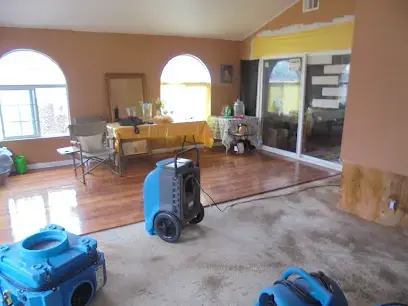
Water damage services across Downey, CA
From a failed water heater to a sewer overflow, every kind of water loss in Downey gets its own drying plan. Each service below links to a page covering the method, the cost range and the claim paperwork.
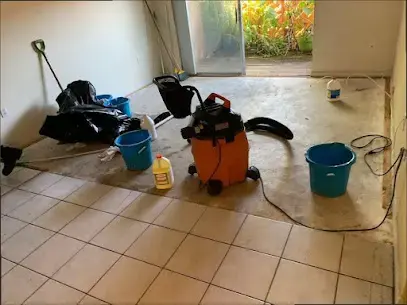
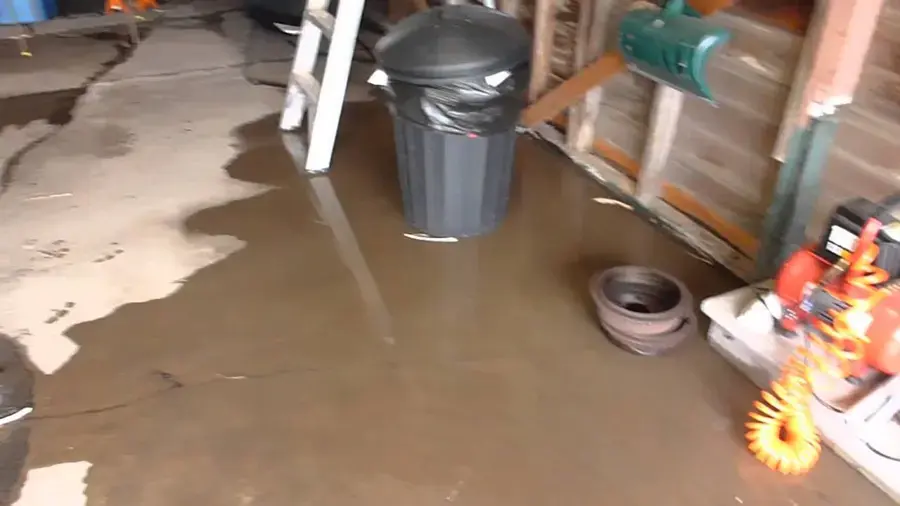 Water Extraction & RemovalTruck-mounted units pull standing water out of carpet, pad and hard floors before it wicks up into baseboards and wall bases.View the service
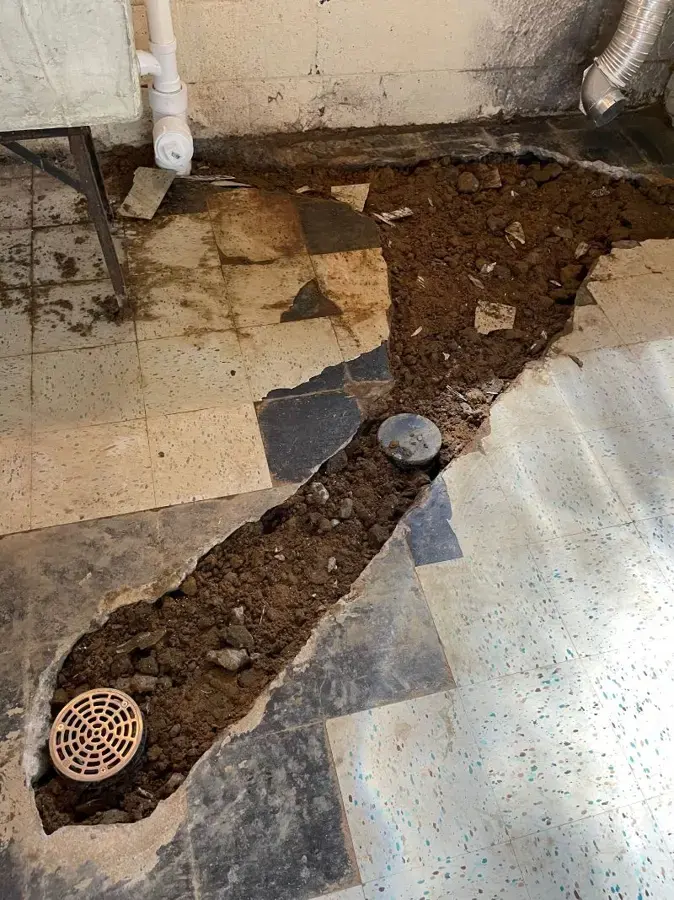 Slab Leak Water DamageA leak under the concrete slab is traced, the wet flooring is lifted and the slab is dried with mats and dehumidifiers.View the service
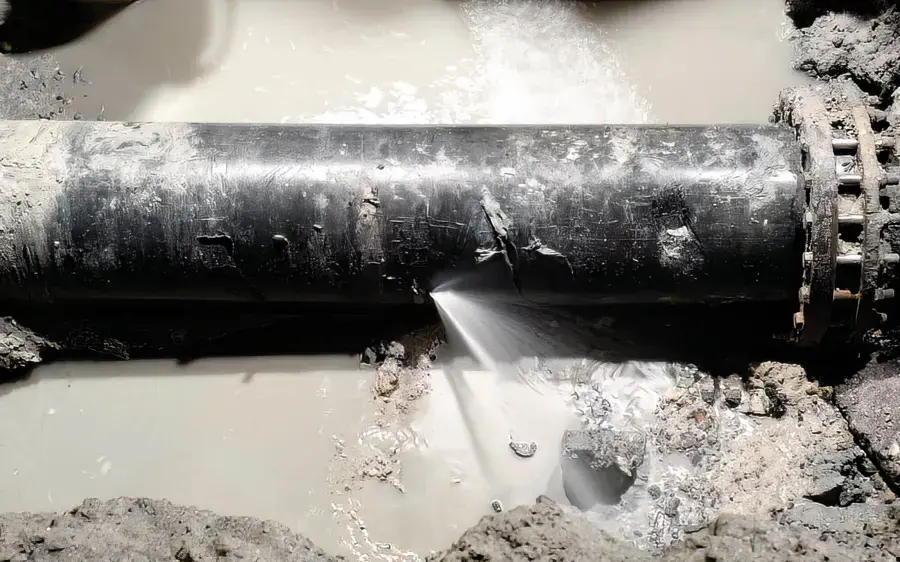 Burst Pipe CleanupAfter a pipe or fitting fails, the water is shut off, wet rooms are extracted and opened walls are dried before repairs start.View the service
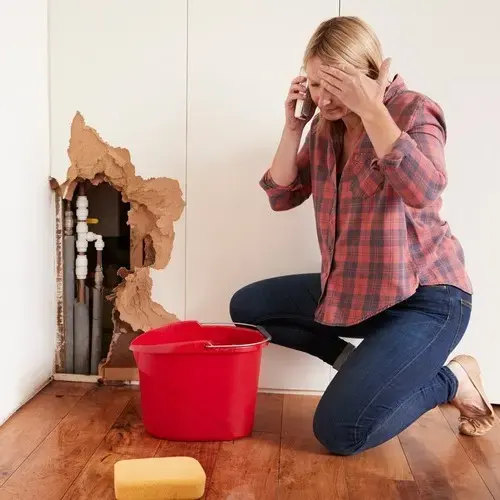 Galvanized Pipe Leak DamageOlder supply pipes can weep inside a wall, so the crew scans for hidden moisture and opens only the section that is wet.View the service
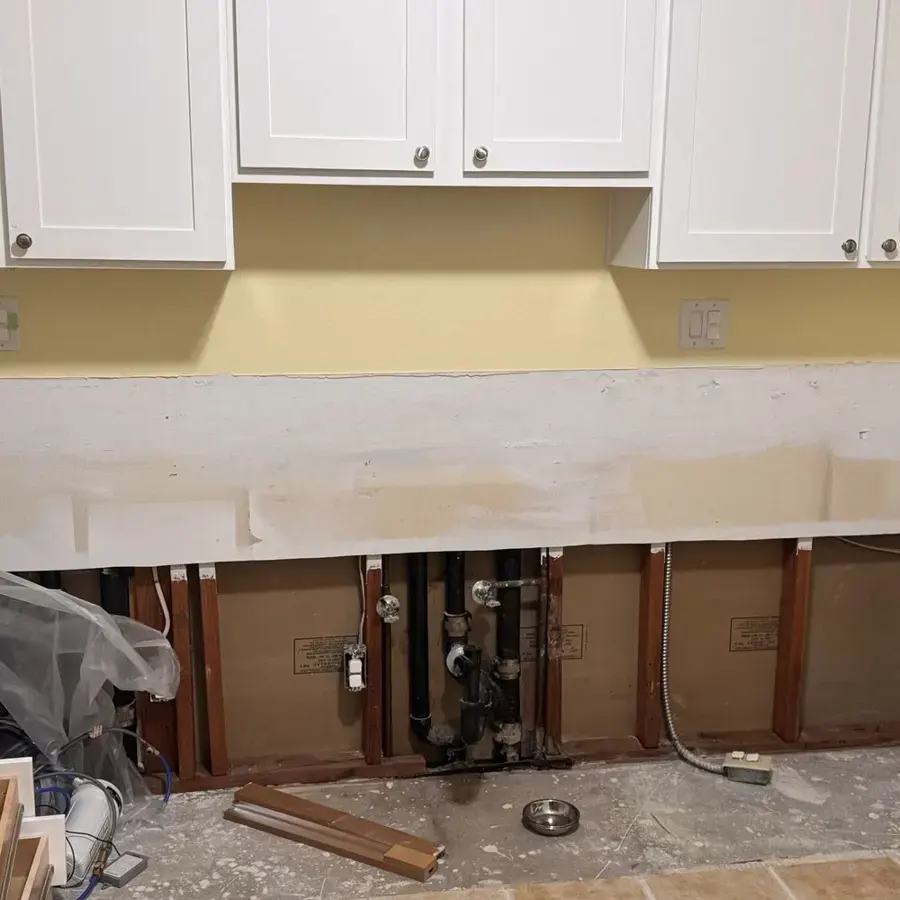 Appliance & Supply Hose LeaksWasher, dishwasher and fridge hose failures often soak shared walls, so the drying team checks floors and neighboring rooms or units.View the service
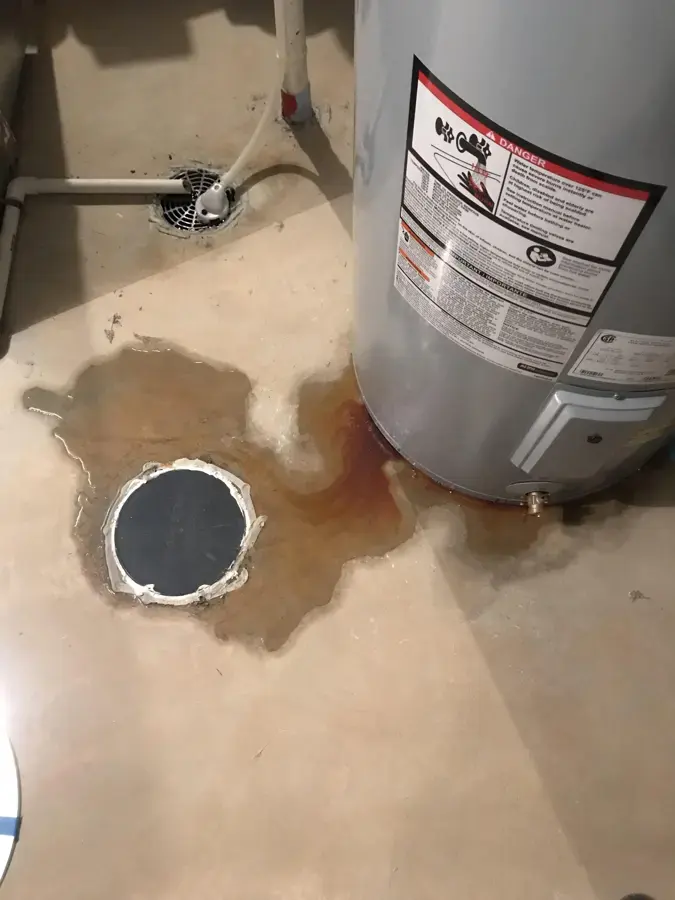
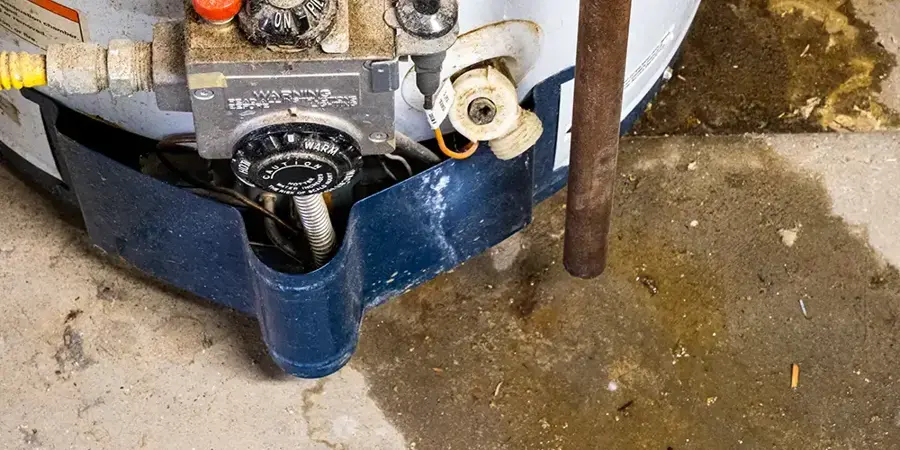 Water Heater Leak CleanupA leaking or ruptured tank sends water across the garage slab or into a closet, hall and bedroom floors that need drying.View the service
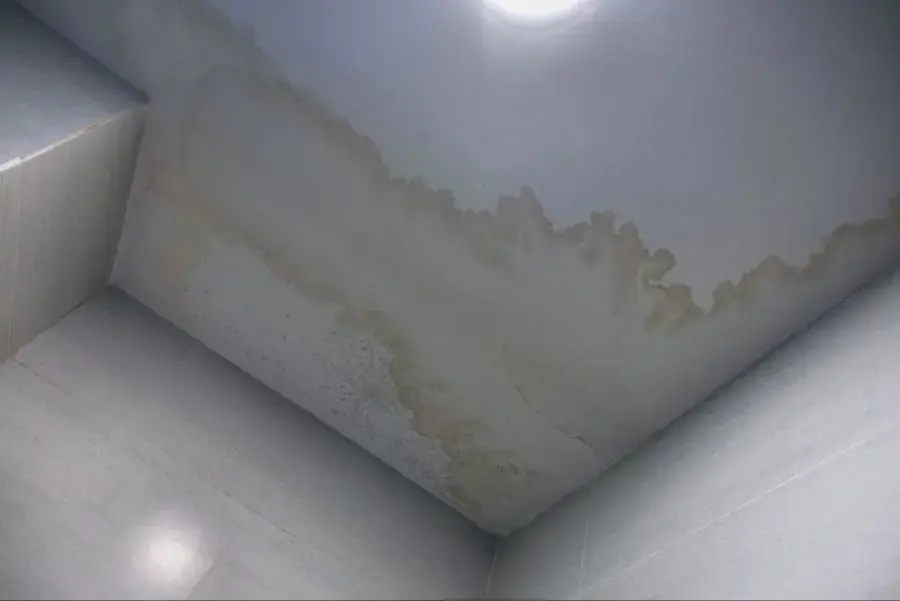 AC Condensate & Attic Unit LeaksA clogged drain pan or attic air handler drips into insulation and ceilings, so the crew dries the ceiling and the attic above it.View the service
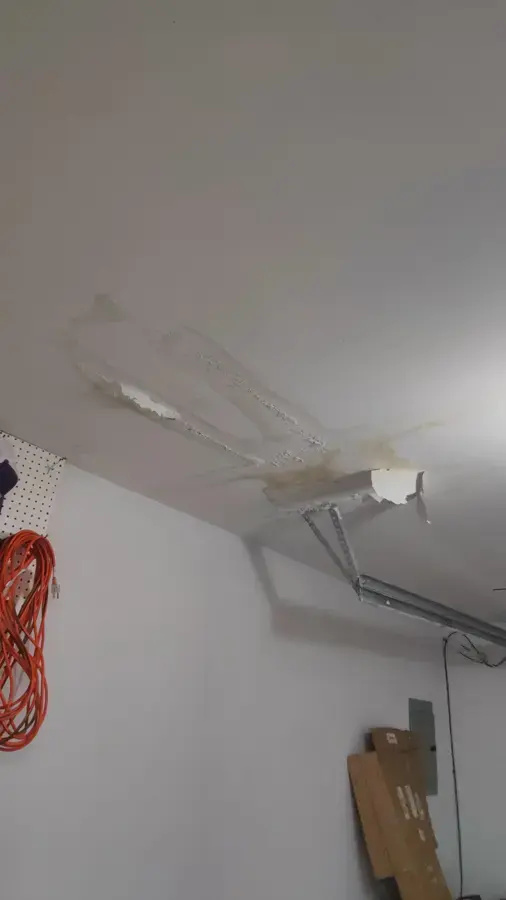 Ceiling Leak Water DamageA stained or sagging ceiling is scanned, vented or cut under control, and the room below is dried before the drywall fails.View the service
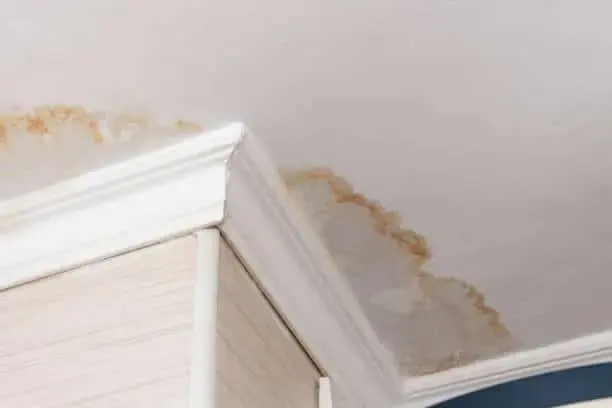 Roof Leak Water DamageRain that gets past roofing wets attic insulation and ceilings, and the response covers moisture mapping, removal and drying with storm photos.View the service
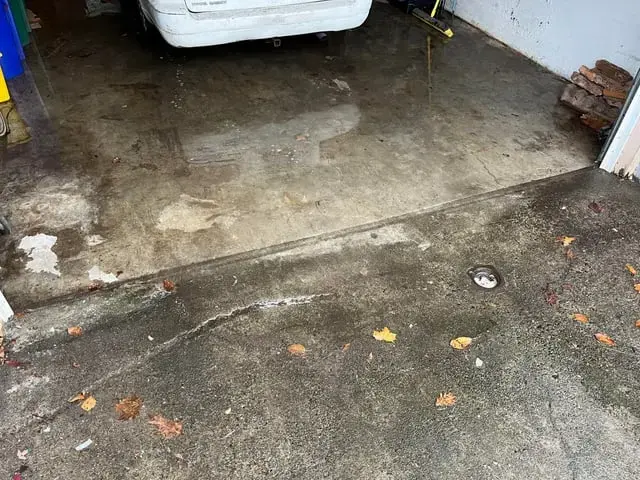
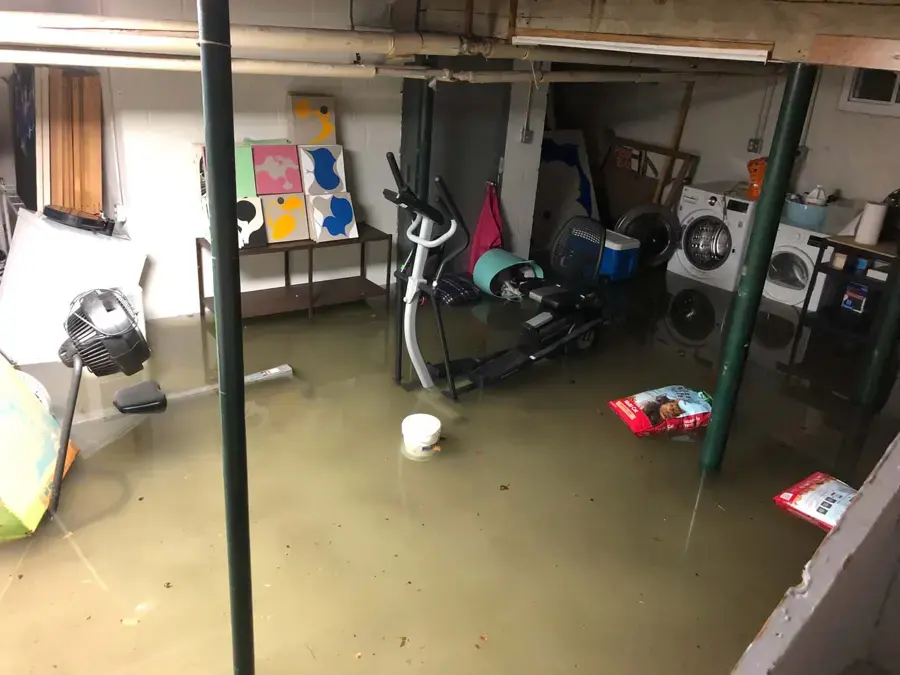 Winter Storm & Street FloodingWhen heavy storm runoff reaches a garage or ground floor, the crew extracts silt and wet materials and dries the structure.View the service
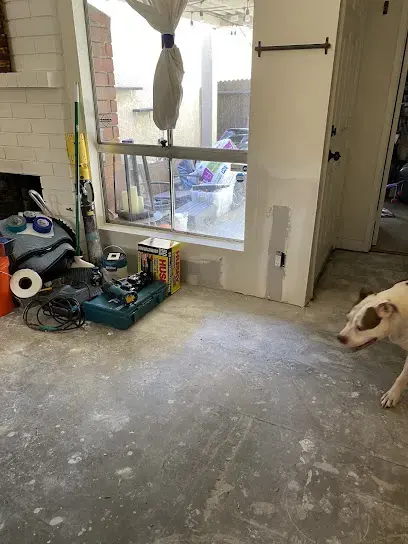 Structural Drying & DehumidificationAir movers, LGR dehumidifiers and daily readings bring wet framing, slab and cabinets back to the dry goal before rebuilding.View the service
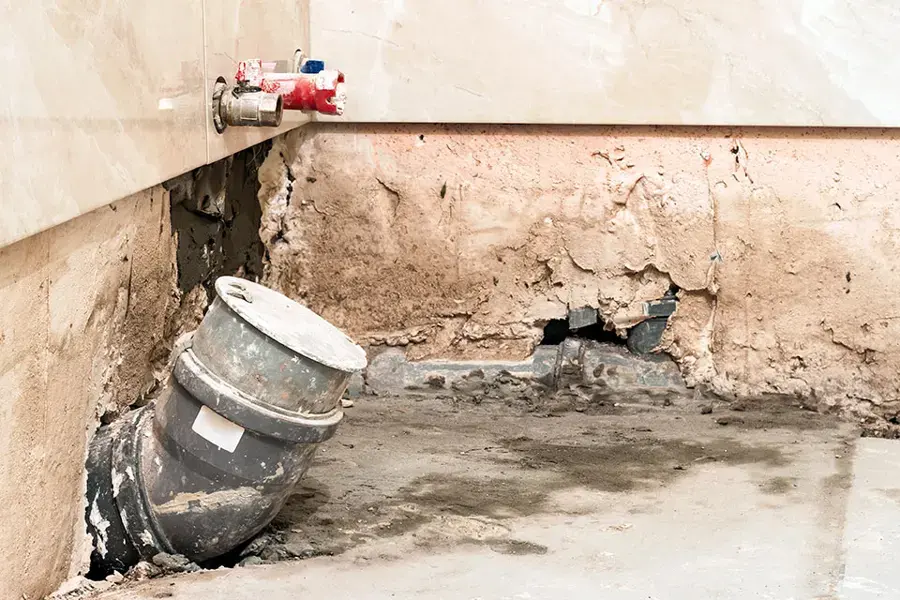
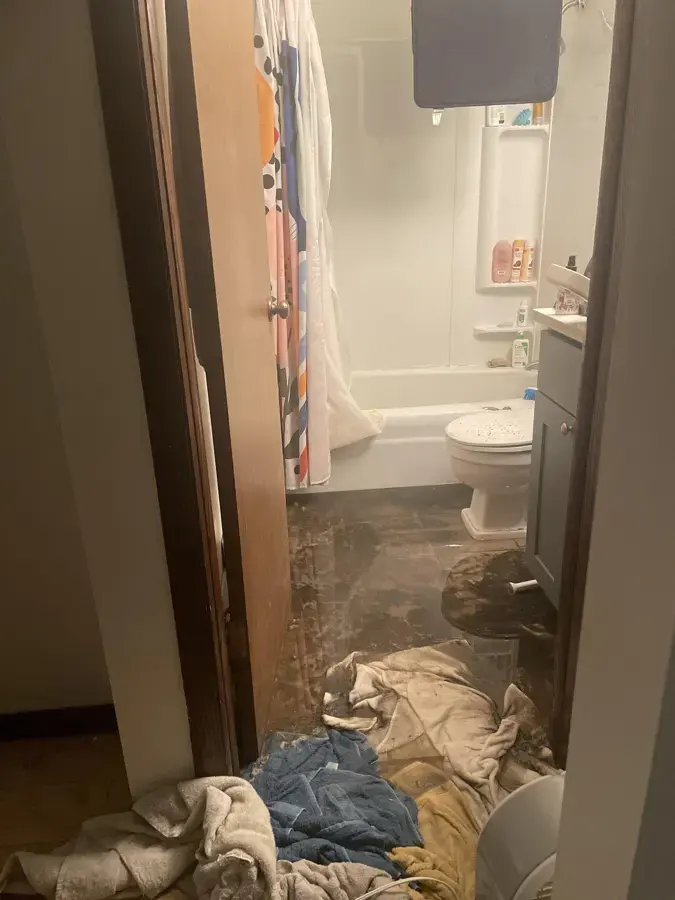 Sewage Backup CleanupSewage backups call for containment, protective gear, removal of porous materials and antimicrobial treatment to clean the affected area.View the service
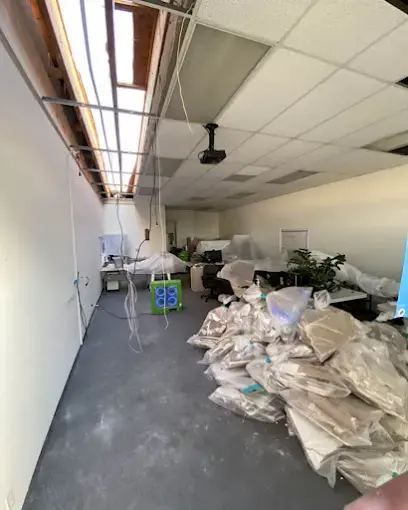 Commercial Water DamageShops, offices and clinics get drying planned around business hours, with ceiling tile and carpet tile handled and logs kept for owners.View the service
Standing water in Downey?
Call now and the dispatcher routes a restoration crew to the property, then walks through the first steps while the crew prepares equipment.
Call the Downey crew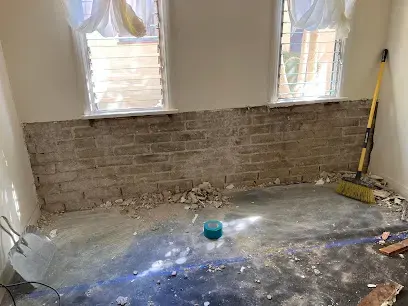
Water loss work done start to finish
Downey properties range from single-family houses to rentals and shops, so the crew handles extraction, tear-out, drying and paperwork under one plan instead of splitting the job.
Rapid local response
Calls from Downey are routed to a crew that already works the Gateway Cities area, so equipment heads out without a long handoff between offices.
IICRC S500 drying standard
Drying follows the S500 standard: water class is set, equipment is sized to it and wet materials are measured until they reach the dry goal.
Claim-ready documentation
Photos, moisture readings and equipment logs are saved from day one, giving an adjuster a clear record of what was wet and what was removed.
Local water know-how
Downey runs its own water and sewer divisions, and the crew knows how to separate a supply failure from a sewer overflow before choosing a method.
First moves when water enters a Downey home
A few safe actions limit damage before the crew starts work.
- 1
Stop the source if it is safe: close the fixture valve or the main shutoff for the house, then leave the broken pipe or hose alone.
- 2
Turn off power to wet rooms at the breaker and stay away from outlets, fixtures and sagging ceilings, which can hold a lot of water.
- 3
Photograph the damage first, then lift small items, rugs and furniture legs off wet floors and open cabinet doors to let air in.
- 4
Keep children and pets out of the wet area, and treat any water from a toilet or drain as contaminated and unsafe to walk through.
- 5
Call the Downey crew before the wet materials sit, then report the loss to the insurer and keep every receipt.
How a Downey structure dries after a water loss
Drying is a measured process, not a guess, and each day has a job that the readings must support.
- Daily moisture readings
- Equipment sized by class
- Wet materials removed early
- Dry goal confirmed in writing
- Day 1
Find and pull water
The tech maps wet areas with a meter and thermal camera, then the extraction crew pulls standing water from floors, pad and cavities.
- Days 2 and 3
Remove what cannot dry
Saturated carpet pad, soaked insulation and swollen drywall are cut out, since they hold water that equipment cannot reach, and the open area is cleaned and treated.
- Daily
Read and adjust
Moisture readings are logged each visit, and air movers or dehumidifiers are moved or added wherever a reading stalls, so no pocket stays wet.
- Final day
Confirm the dry goal
Readings on wet materials are compared with an unaffected area, equipment is removed and the final log goes to the owner and the adjuster.
Equipment on a Downey job
- Truck-mounted extractors
- LGR dehumidifiers
- High-velocity air movers
- Thermal cameras
- Pin moisture meters
- Drying mats
Clean, gray and black water: why the source matters
The source of the water decides the safety steps, the materials that can stay and the cost, so the crew identifies the category first.
Category 1 clean water
Supply pipe, faucet and appliance hose leaks start clean, but after a day or so the water can take on contaminants from floors and materials, so early drying keeps the job simple.
Category 2 gray water
Dishwasher or washer discharge and overflow from a sink or tub holds some contamination, so carpet pad and soaked porous materials usually come out and the area is cleaned and treated.
Category 3 black water
Sewage, toilet backups with waste and rising storm runoff are grossly contaminated and call for containment, protective gear and full removal of porous materials from the affected area.
Sewage backup cleanup in DowneyWhat does water damage restoration cost in Downey, CA?
Most Downey jobs run from about $1,500 for one wet room to $10,000 for a larger loss, and the final figure depends on the water category, the materials involved and how long drying takes.
These are typical ranges only, since a closer estimate depends on the rooms, the water source and the materials involved.
Documentation for the Downey claim
A clean paper trail helps an adjuster approve the scope, so the crew records the loss from the first visit.
- Dated photos of every wet room before any work begins
- Moisture readings recorded by date, room and material type
- Equipment placement and runtime logged for each day of drying
- Itemized list of every removed material with its location
- Final dry readings compared with an unaffected reference area
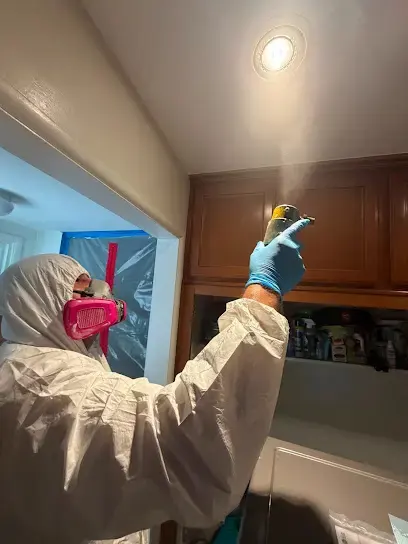
Adjusters usually separate a sudden event such as a burst pipe or failed heater from long-term seepage, so the mitigation team documents when and how the water appeared in the home, and keeps removed parts on hand when asked.
Coverage is decided by the policy and the insurer, not the crew.
Water damage jobs the crew handles around Downey
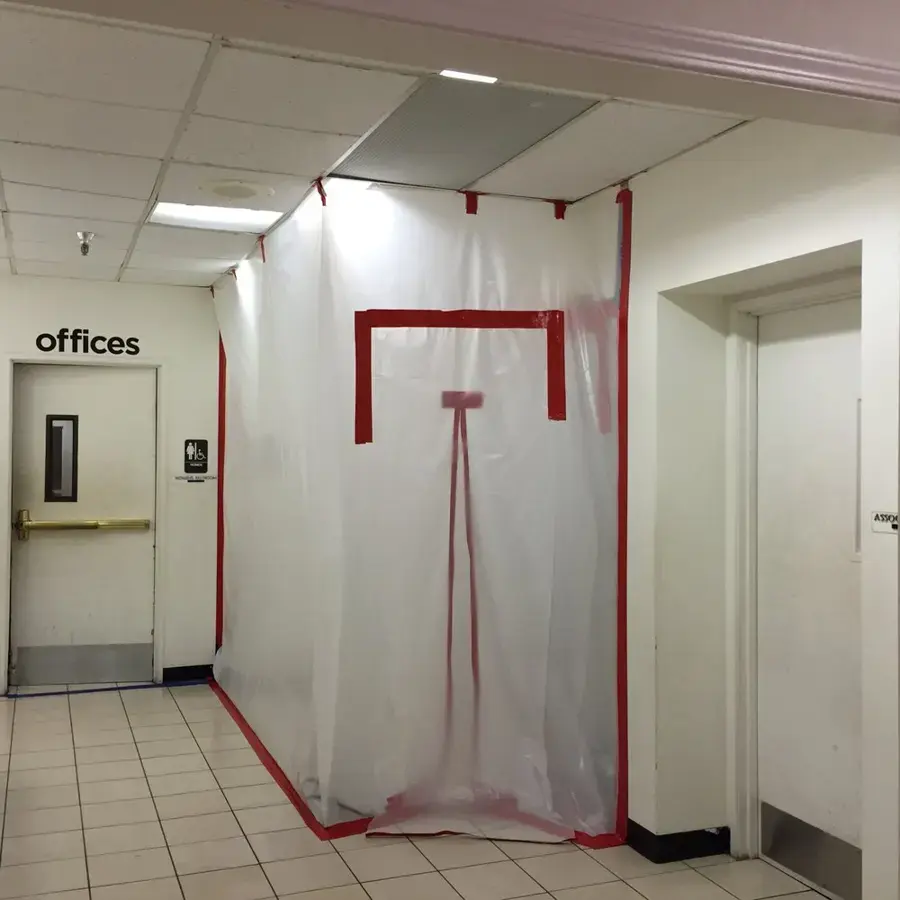
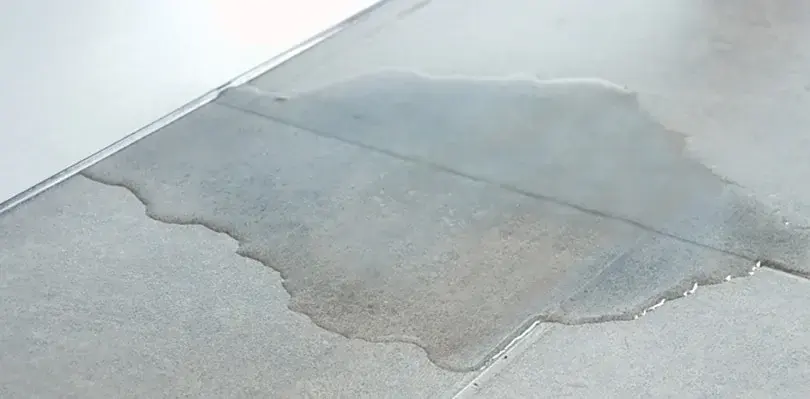
One call reaches Downey water damage pros, 24/7
The Downey restoration crew covers the whole city, from Downtown Downey and the shops at Downey Landing to the blocks around Stonewood Center, across ZIP codes 90239, 90240, 90241 and 90242 after a leak, flood or sewer backup.
ZIPs 90239, 90240, 90241, 90242Districts
Corridors
Landmarks
What puts Downey properties at risk of water
Downey is a semi-arid city between the Rio Hondo and the San Gabriel River, and water losses usually start indoors with plumbing, appliances and rooftop equipment, while occasional heavy storms add roof and street water.
On April 20, 2023, about 250,000 gallons of sewage overflowed at Burns Avenue and Rives Avenue in Downey after Sanitation Districts equipment blocked a sewer, then reached the Los Angeles River through a storm drain. It shows how one blocked sewer can become a large contamination event.
Rivers and storm drains
Downey sits between two rivers and its storm drains feed the Los Angeles River, so a downpour can push runoff against garages and ground floors.
Storm warnings in 2024
The National Weather Service posted a Flash Flood Warning for eastern Los Angeles County on February 4, 2024, a reminder that storms can reach Downey roofs and streets.
Renters and neighbors
About half of Downey homes are renter-occupied, and more multi-family units are planned through 2045, so leaks reaching a neighbor are a real concern.
1950s homes in 90240
Most homes in ZIP 90240 were built in the 1950s, so roofs, water heaters and supply connections are worth checking before they fail.
Sewer backups
Both the City of Downey and the Los Angeles County Sanitation Districts operate sewers in Downey, so a backup can trace to a public main or a drain inside the property.
Downey water damage questions answered
Water still coming in?
Call now and the dispatcher will explain what to shut off while a restoration crew is sent.
Talk to a Downey dispatcherHow fast should water be removed in Downey?
Extraction should begin as soon as it is safe, because carpet pad, drywall and insulation start absorbing water immediately, and the 24 to 48 hour window before mold growth is what drives the urgency.
What does a Downey crew do first at a flooded home?
The tech does a walkthrough with a moisture meter and thermal camera, confirms the source is shut off if needed, and then the extraction crew removes standing water before equipment is set.
Does insurance pay for water damage in Downey?
That depends on the policy and the cause. Sudden events such as a burst pipe are often reviewed differently than slow seepage, so the crew documents the loss and the insurer makes the decision.
Who handles a sewer backup in Downey?
Sewer mains in Downey are maintained by the City of Downey Sanitary Sewer Division and the Los Angeles County Sanitation Districts, but cleanup inside the home is done by a restoration crew with containment and protective gear.
Is storm water considered contaminated?
Yes, runoff from streets and yards usually counts as Category 3 because it can carry soil and waste, so porous materials it touches are normally removed rather than dried.
Can a water heater leak in a garage damage the house?
It can. Water from a garage tank can cross the slab, reach the wall base and wick into drywall, so the crew dries the slab and checks the adjoining walls.
How long does drying take?
Most jobs need drying for a few days, and the final length depends on the materials, the water category and the readings, which the crew checks daily until the goal is reached.
What if the leak came from a neighbor's unit?
Water that crosses from another unit still needs to be dried and documented, so the crew records where it entered and shares the findings with the owner, the tenant and the adjuster.
Do commercial buildings in Downey get restoration too?
Yes. Shops, offices and clinics are handled with drying planned around business hours, containment for open areas and logs the owner can pass to a property insurer.
What should be kept after a water loss?
Keep photos, receipts, the damaged items that are safe to handle and any messages with the landlord or insurer, because they support the claim and the scope of repairs.
Put a Downey crew on the job
The restoration team takes calls day and night, explains the first safe steps and sends a crew to extract, assess and begin drying.