Slab Leak Water Damage in Santa Fe Springs, CA
A warm patch on the floor or a damp spot under the carpet can mean a pipe is leaking beneath the concrete. The restoration crew dries the flooring and the slab once the plumber has made the repair.
(888) 563-9619Report a wet or warm floor- Slab meter readings
- Flooring lifted over wet areas
- Drying mats on concrete
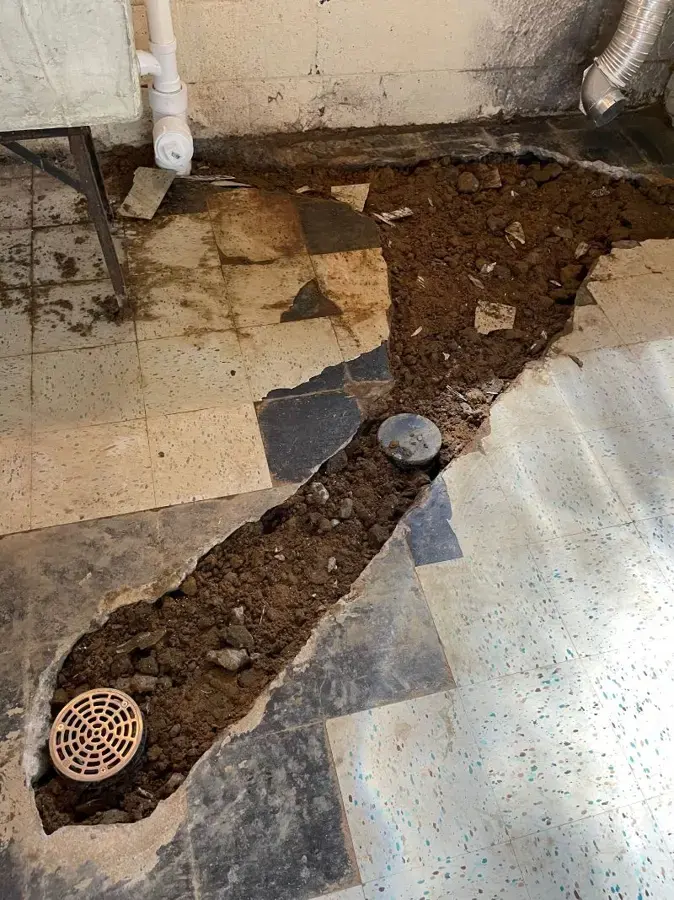
First steps for slab leak water damage in Santa Fe Springs
- 1
Spot the signs
A warm floor, a damp patch, the sound of running water or a jump in the water bill can point to a leak below.
- 2
Call the plumber
A plumber locates and repairs the pipe, because drying cannot finish while the leak is still running.
- 3
Open the wet area
Flooring and baseboards over the wet spot are lifted so the concrete and wall bases can release moisture.
- 4
Dry the slab
Drying mats, air movers and dehumidifiers pull moisture from the concrete until readings test dry.
How slab leak water damage is handled in Santa Fe Springs
Confirm the water is gone
The restoration team starts after the plumber has stopped the leak, then reads the concrete and nearby walls with a meter so the wet area is mapped before anything is lifted.
Lift what is wet
Carpet, pad, laminate or wood over the damp slab is removed in sections, and baseboards are cut or pulled where water has climbed into the wall base.
Clear the concrete
Water on the surface is extracted, and standing moisture at joints and edges is cleared so the slab can begin releasing what it absorbed.
Dry and verify
Mats and dehumidifiers run on the slab while the tech takes daily readings, and the floor is signed off only when the numbers reach the dry goal.
What does slab leak water damage cost in Santa Fe Springs, CA?
Slab leak water damage in Santa Fe Springs usually runs $2,500 to $12,000, depending on how much flooring is wet and whether cabinets sit over the slab. The plumber's repair is a separate bill.
The drivers are the water category, the square footage that got wet, the material class and how fast drying started. The water damage cost calculator gives a planning range; a firm number comes after the walkthrough.
How slab leak water damage moves from wet to dry
- 1
Trace
Find the leak with the plumber, then map the wet slab
- 2
Lift
Remove flooring and bases over the wet area
- 3
Clear
Extract surface water and open wall bases
- 4
Dry
Run mats and dehumidifiers until readings reach the dry goal
Slab leaks hide under the floor, so the first clue is often small: a warm tile, a musty smell or carpet that stays damp. Once the plumber has repaired the pipe, the restoration crew handles the water left in the flooring and the concrete.
Signs that water is coming from the slab
- A floor that feels warm underfoot in one spot
- Carpet or pad that stays damp without a visible source
- A bill from the Santa Fe Springs Water Utility Authority that jumps for no clear reason
- Baseboards that swell or lift away from the wall
- Flooring that lifts, gaps or feels spongy underfoot
- The sound of running water when every fixture is off
What drying a slab involves
Concrete holds water longer than most materials, so slab drying takes patience. Mats move air across the surface and dehumidifiers collect what the concrete releases.
A meter reading on the slab is repeated each day. If the numbers stall, the tech adjusts the equipment instead of guessing, and the log records every change. The structural drying page explains how those readings are used.
Planning around the plumbing repair
Order matters. The plumber stops and fixes the leak first, then the restoration crew lifts flooring and dries the slab, and new flooring waits for dry readings. Claim paperwork includes the plumber's findings next to the drying logs, because an adjuster will ask where the water came from. Rentals add one more step, because the property manager should hear about the leak before flooring is lifted in a unit. For pipes that fail inside walls, see burst pipe cleanup.
Emergency dispatch for Santa Fe Springs, CA
A warm or wet spot on a Santa Fe Springs floor needs a look, and the crew dries what the leak left behind.
Slab leak water damage across Santa Fe Springs, CA
The crew covers ZIP 90670 and the whole city, from the Heritage Park area and Four Corners to Carmenita and the Telegraph Road, Norwalk Boulevard and Florence Avenue corridors. Homes, rentals, warehouses and shops all get the same careful approach.
See every area servedSlab Leak Water Damage questions in Santa Fe Springs, CA
Water still coming in?
The Santa Fe Springs restoration crew rolls day and night, weekends and holidays included.
Talk the damage through with a Santa Fe Springs proHow is a slab leak found?
A plumber uses a warm spot, a meter or listening tools to trace the leak. The restoration crew works afterward, drying the flooring and concrete that the leak soaked.
Does the flooring always have to come out?
Not always. Tile and sealed wood sometimes stay if readings allow, but carpet pad and many laminates are removed, and the choice rests on the readings.
How long does a slab take to dry?
Concrete often needs more days than drywall, and the exact number depends on how long the leak ran. The daily readings decide when the equipment leaves.
Will the water bill show a slab leak?
A sudden rise in the bill from the water utility can be an early sign, though it does not prove the source. A plumber confirms where the pipe is leaking.
Is slab leak damage covered by insurance?
Coverage for the pipe repair and for the water damage can differ by policy. The crew records the damage and the drying, and the insurer decides what is covered.
Can a rental unit have a slab leak?
Yes. A tenant should report a warm or wet floor to the property manager promptly, since the repair and the drying involve the building owner.
Who lifts the old flooring?
The restoration crew lifts only the wet flooring and baseboards, and leaves dry sections in place.
Warm floor or damp carpet in Santa Fe Springs? Call the crew
Report the signs and the rooms involved, and the restoration team will plan the slab drying after the repair.