Sewage Backup Cleanup in Commerce, CA
A sewage backup is contaminated water that needs containment, protective gear and careful removal. The mitigation team seals the area, takes out what cannot be cleaned and treats and dries the rest.
(888) 563-9619Backup cleanup help in Commerce- Containment and PPE
- HEPA air scrubbers
- Category 3 protocol
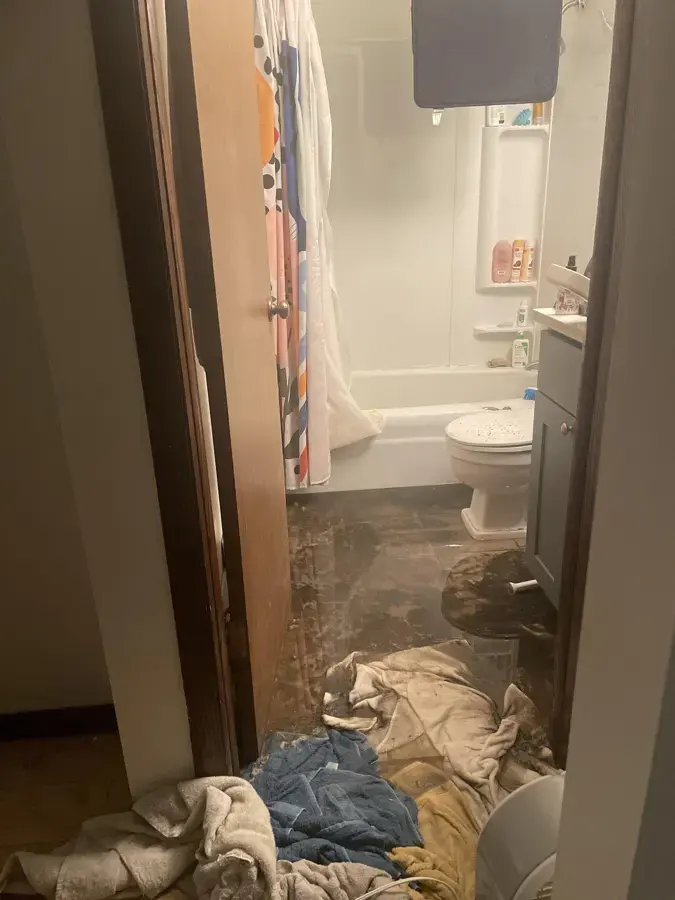
First steps for sewage backup cleanup in Commerce
- 1
Keep everyone out
People and pets stay out of the affected rooms, and nobody uses plumbing until the blockage is cleared.
- 2
Seal and suit up
The crew wears protective gear, closes off the area with plastic and sets air scrubbers before work begins.
- 3
Remove and clean
Carpet, pad, wet drywall and other porous materials are removed and bagged, and hard surfaces are cleaned and treated.
- 4
Dry and verify
Air movers and dehumidifiers dry the structure, with readings and photos logged for the claim.
How sewage backup cleanup is handled in Commerce
Why sewage is Category 3
Sewage carries bacteria and viruses, so any material it touches that cannot be fully cleaned, such as carpet, pad and drywall, is removed instead of dried.
Containment and air control
Plastic barriers and negative air with HEPA scrubbers keep contaminated dust and odor from spreading to clean rooms while work is under way.
Who handles what
City Public Works is responsible for sewers and storm drains. The crew cleans the damage inside the building, while a plumber clears the blockage in the building drain.
Cleaning, treating and drying
Floors and framing are scrubbed, treated with an antimicrobial and dried until the readings are normal, and any item of doubt is photographed before it is thrown away.
What does sewage backup cleanup cost in Commerce, CA?
Sewage backup cleanup usually costs about $2,500 to $4,500 for one bathroom and $4,500 to $8,000 for a bathroom and hall. Several rooms with contamination can reach about $15,000 in total, since more materials come out.
The drivers are the water category, the square footage that got wet, the material class and how fast drying started. The water damage cost calculator gives a planning range; a firm number comes after the walkthrough.
How sewage backup cleanup moves from wet to dry
- 1
Contain
Plastic barriers and HEPA air scrubbers seal off the work area.
- 2
Remove
Porous materials that touched sewage are taken out and bagged.
- 3
Clean
Hard surfaces and framing are scrubbed and treated.
- 4
Dry
Equipment dries the structure until the readings are normal.
A sewage backup is more than a plumbing problem. The water carries bacteria and has to be contained, removed and cleaned in a set order, which is why the work is done by a protected crew and not with a mop and a wet vacuum.
What to do when a drain backs up
- Stop using sinks, toilets and showers
- Keep people and pets out of wet rooms
- Do not use fans, vacuums or bleach on the spill
- Photograph the backup before anything is moved
- Call a plumber and the restoration crew
How the cleanup is contained
Plastic sheeting closes doorways and vents, and HEPA air scrubbers pull air through filters so airborne particles do not reach clean rooms. Technicians wear suits, gloves and respirators and bag waste as they go. Odor is controlled with the same barriers, which also protect other units in a shared building. Neighbors in a shared building are told when odor or contaminated water may reach them. Backups after heavy rain are handled like storm flood cleanup.
Carpet, pad, baseboards and drywall that contacted the water are removed, since contamination soaks in. Tile, concrete and framing can be cleaned and treated, then dried with air movers and dehumidifiers. Anything that cannot be cleaned fully is photographed and listed for the claim before disposal.
City sewers, the claim and the plumber
A problem in the street sewer is reported to City Public Works. Inside the building, the plumber finds the blockage, and the mitigation team records the rooms, materials removed and readings for the adjuster, since backup coverage depends on the policy.
Emergency dispatch for Commerce, CA
Sewage backup cleanup in Commerce uses containment, protective gear and HEPA air scrubbers, removes porous materials and dries the structure.
Sewage backup cleanup across Commerce, CA
The Commerce restoration crew covers the 90040 ZIP across Bandini, Rosewood, Laguna and the Civic Center area, plus the homes, shops and industrial blocks around Citadel Outlets and Commerce Casino and the rest of the city. The crew can be reached at any hour.
See every area servedSewage Backup Cleanup questions in Commerce, CA
Water still coming in?
The Commerce restoration crew rolls day and night, weekends and holidays included.
Talk the damage through with a Commerce proIs sewage backup an emergency?
Yes. Contaminated water spreads bacteria and odor, and porous materials absorb it quickly. Keep people out, stop using plumbing and call for containment and removal as soon as possible. Do not try to clean it with towels.
Can carpet be saved after a sewage backup?
Normally not. Carpet and pad that touched sewage are removed, because they cannot be fully cleaned. Hard floors under it are scrubbed, treated and dried.
Why does the crew wear protective gear?
Sewage carries bacteria and viruses, so suits, gloves, boots and respirators protect the crew and keep contamination from traveling on clothing to clean areas. That protection is standard for this kind of water.
Who fixes the blocked drain?
A plumber clears the blockage in the building drain. If the problem is in the street sewer, it is reported to City Public Works. The restoration crew handles cleanup and drying inside.
How long does sewage cleanup take?
Removal and cleaning are done first, and drying follows for about 3 to 4 days in a small area. Several rooms take longer, and daily readings decide when the equipment leaves.
Does insurance cover a sewage backup?
Many policies cover it only with a backup endorsement, so check the policy early. The drying team documents the loss and the work, and the insurer decides coverage.
Sewage backup in Commerce? Call the crew now.
Say which fixtures backed up and how far the water spread, and the team will plan containment and cleanup.