Water Extraction in Commerce, CA
Standing water in a Commerce home or industrial building keeps moving into baseboards and slabs. The extraction crew removes it with truck-mounted units, then maps everything that stayed wet underneath.
(888) 563-9619Extraction for Commerce floors- Truck-mounted units
- Moisture mapped at the edges
- Hard floor or carpet
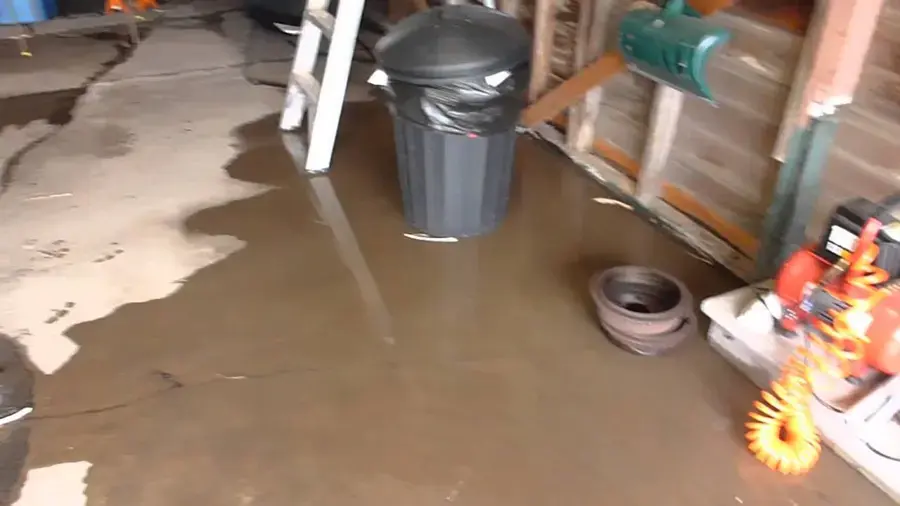
First steps for water extraction in Commerce
- 1
Stop the source
Water is shut off or contained first, because extraction cannot get ahead of a leak that is still running.
- 2
Pull the water
Truck-mounted units and wands lift standing water from carpet, tile and concrete, working from the lowest point.
- 3
Check what stayed wet
A meter and thermal camera follow moisture into baseboards, wall bases and closets that look dry.
- 4
Decide pad and flooring
Soaked carpet pad is usually removed, while hard floors and many carpets can be dried in place.
How water extraction is handled in Commerce
Water category first
The crew sorts the water into clean, gray or black before touching anything, because contaminated water changes which materials stay and which go.
Wand and mounted units
Truck-mounted equipment gives strong suction on large floors, and weighted wands press water out of carpet fibers and pad ahead of any removal decision.
Large floors and garages
Warehouse slabs and garage floors are worked in lanes, with water pushed toward a collection point so the extractor never sits in a puddle.
Moisture map afterward
Once the visible water is gone, the tech scans walls and floors again and marks wet edges, which sets the equipment for the drying stage.
What does water extraction cost in Commerce, CA?
Extraction alone usually runs from about $450 for one room to about $5,000 when most of a house is wet. Garages and large warehouse floors cost more when they need several passes.
The drivers are the water category, the square footage that got wet, the material class and how fast drying started. The water damage cost calculator gives a planning range; a firm number comes after the walkthrough.
How water extraction moves from wet to dry
- 1
Shut
Water source is stopped or contained before any pulling begins.
- 2
Pull
Truck-mounted units lift standing water from every wet surface.
- 3
Map
Moisture meters and thermal imaging find what stayed wet.
- 4
Dry
Air movers and dehumidifiers finish what extraction cannot reach.
Water that sits on a floor does not stay put. In Commerce it moves through carpet pad, under baseboards and into the slab, so the extraction crew removes as much as possible before any drying equipment is set up. Speed matters most with carpet pad, hardwood and drywall, which soak up water quickly.
When extraction is the right first call
- Standing water on carpet, tile, hardwood or concrete
- Garage floors flooded by storm runoff or a failed heater
- Wet floors after a pipe, hose or fixture failure
- Warehouse or shop slabs holding water across a wide area
- Water that sat for a day and now smells or feels humid
How the crew works through a Commerce floor
Buildings in Commerce range from rentals to large warehouses, so the crew picks the extractor and wand to match the floor. Carpet gets a weighted pass, while concrete is worked in lanes. Tile and concrete can look dry on top while moisture remains below.
Water removed early keeps hardwood from cupping and stops drywall wicking moisture upward. Every extra day of standing water adds drying time, cost and risk to the claim.
What the extraction record should show
The tech notes the water category, the rooms and floor types treated, which materials were removed and the moisture readings after extraction. Photographs before and after help the adjuster see the starting point. Notes on the source of the leak and the date it was found complete the picture for the file. Coverage questions go to the insurer.
Emergency dispatch for Commerce, CA
Extraction in Commerce uses truck-mounted units that clear floors in homes, shops and warehouse bays, followed by moisture mapping before any drying starts.
Water extraction across Commerce, CA
The Commerce restoration crew covers the 90040 ZIP across Bandini, Rosewood, Laguna and the Civic Center area, plus the homes, shops and industrial blocks around Citadel Outlets and Commerce Casino and the rest of the city. The crew can be reached at any hour.
See every area servedWater Extraction and Removal questions in Commerce, CA
Water still coming in?
The Commerce restoration crew rolls day and night, weekends and holidays included.
Talk the damage through with a Commerce proHow soon should extraction start after a leak?
As early as the source is stopped. Carpet pad and baseboards keep absorbing water, and drywall wicks it upward, so each extra day adds drying work and raises the chance of damage to flooring and walls.
Can carpet be saved after extraction?
Often, when the water is clean and removed early. The crew checks pad and fibers with a meter, and carpet over soaked pad is usually lifted so the floor can dry underneath without trapping moisture.
Does extraction work on a warehouse slab?
Yes. Large truck-mounted units and wide wands handle big concrete floors, and the crew works in lanes. Drying equipment is then sized to the slab and the volume of the building.
What if the water is not clean?
Gray or black water changes the plan. Porous materials such as pad are removed, surfaces are cleaned and treated, and sewage is handled with containment and protective gear.
Is extraction enough to dry the building?
No. Extraction removes the liquid water, but moisture left in walls, subfloors and slabs needs air movers and dehumidifiers. Daily readings show when the structure is actually dry.
Who pays for extraction in a rental?
That depends on the lease, the cause and the policies involved. Report the leak to the landlord, photograph the water, and let the adjuster review the documentation the crew provides.
Water on the floor in Commerce? Call now.
Describe the water and the rooms affected, and the crew will plan extraction and the moisture map for the building.