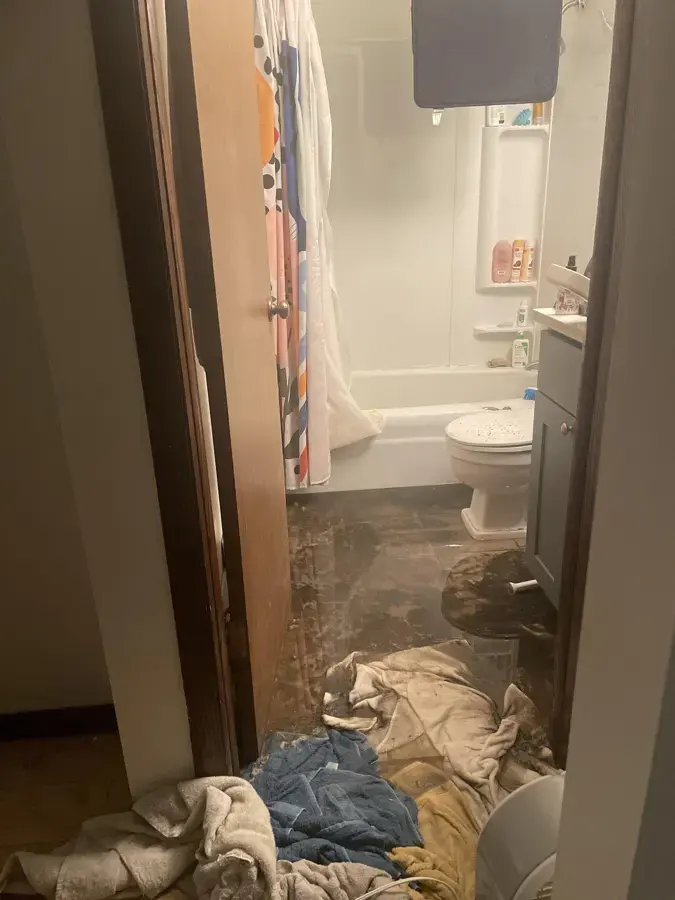
Sewers in Downey are not run by one agency. The City of Downey has its own Sanitary Sewer Division, and the Los Angeles County Sanitation Districts also operate sewers in the city. When wastewater comes up through a floor drain, a tub or a toilet, the cleanup is the same either way, but the calls that come first can differ.
Key takeaways
- Downey has two sewer operators: the city Sanitary Sewer Division and the Los Angeles County Sanitation Districts.
- Sewage is Category 3 water. It carries bacteria and is handled with containment, protective gear and removal of porous materials.
- On April 20, 2023 about 250,000 gallons of sewage overflowed in Downey after Sanitation Districts equipment blocked a sewer, and it reached the Los Angeles River through a storm drain.
- Keep family members and pets out of the affected rooms, do not run water and do not try to clean it with household towels.
- The cleanup removes affected carpet, pad and wet drywall, disinfects the area and then dries what remains.
Who runs the sewers in Downey
The City of Downey's Sanitary Sewer Division maintains the city's sewer mains. Its work includes video inspection, cleaning and flushing of those mains.
The Los Angeles County Sanitation Districts also operate sewers in Downey. Which agency handles a particular pipe depends on the sewer, not on the house address alone.
For a homeowner, the practical point is this: a backup may come from a problem in the home's own drain, or from a blockage farther along.
Telling the city or the Sanitation Districts is part of the response, and the cleanup does not have to wait for the answer.
What the April 2023 overflow showed
On April 20, 2023 about 250,000 gallons of sewage overflowed at Burns Avenue and Rives Avenue in Downey. The cause was Sanitation Districts equipment that blocked a sewer.
The overflow did not stay on the street. It entered a storm drain and reached the Los Angeles River, and Long Beach closed coastal swimming areas afterward.
Why it matters for a homeowner
A large overflow is not the same event as a backup into one house. But it shows how quickly a sewer problem can move through a drainage system and how seriously agencies treat contact with sewage.
The same caution applies indoors. A small backup into a bathroom is still Category 3 water and should be treated that way from the start.
Why sewage is handled differently from other water
Restoration crews sort water into three categories. Category 1 comes from a clean supply source, Category 2 is gray water and Category 3 is the most contaminated.
Sewage is Category 3. It carries bacteria and viruses, and the water can soak into anything porous before it is ever seen.
- Carpet, pad and rugs that touched the water are removed, not cleaned in place.
- Drywall and insulation that wicked sewage water are cut out.
- Hard surfaces are cleaned and disinfected.
- Fabric furniture and mattresses that were wet are usually discarded.
- Tile and sealed concrete can usually be cleaned and saved.
What to do and not do at the start
Staying out of the water protects the family, and it keeps the damage from spreading on shoes and wheels.
The steps below keep the situation contained until the crew arrives.
- Keep everyone, including pets, out of the affected area.
- Stop using sinks, tubs, toilets and the washer, since each adds water to the drain system.
- Turn off the breaker to a room if water is near outlets or cords.
- Do not use a household vacuum on sewage water.
- Do not mix cleaners, and do not spread the water with a mop.
- Take photos of the water, the rooms and the damage before anything is moved.
- Notify the sewer operator and call a sewage cleanup crew.
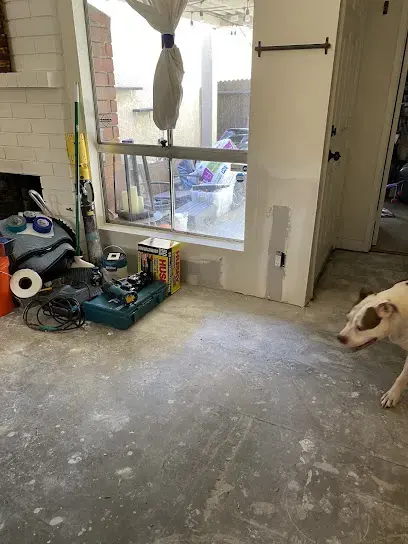
How a sewage backup cleanup works
The crew starts with containment. Plastic sheeting seals the affected area from the rest of the house, and air scrubbers filter the air.
Technicians in protective suits, gloves and respirators extract the water and remove porous materials. Sewage backup cleanup in Downey follows the same order each time: contain, extract, remove, disinfect and dry.
After the surfaces are cleaned and disinfected, the remaining structure still holds moisture. Drying equipment is then set up, and the crew takes readings each day.
Drying after the disinfecting is done
A backup soaks walls, baseboards and flooring edges that were not removed. Those materials are dried in place with air movers and dehumidifiers.
Structural drying continues until the framing, the slab or subfloor and the remaining drywall read in normal range. A reading taken on day one is only a starting point.
Rushing the drying leaves moisture in the wall cavity. A damp smell later is a sign the work needs another visit.
What a homeowner should record
Records help in two ways. They support an insurance claim, and they show the sewer operator what happened and when.
Coverage for sewer backups varies a great deal by policy. Some policies need an added endorsement, so confirm terms with the insurer before the first call if possible.
- Photos of the water and the first signs of the backup.
- The date and time the backup began.
- Any notice or call to the city or to the Sanitation Districts.
- A list of items that were thrown away.
- The daily drying readings from the crew.
Where to read more
The city page for water damage restoration in Downey covers every service the crew handles there, from a burst pipe to a flooded street.
The sewage cleanup service page describes the same Category 3 steps for the wider area.