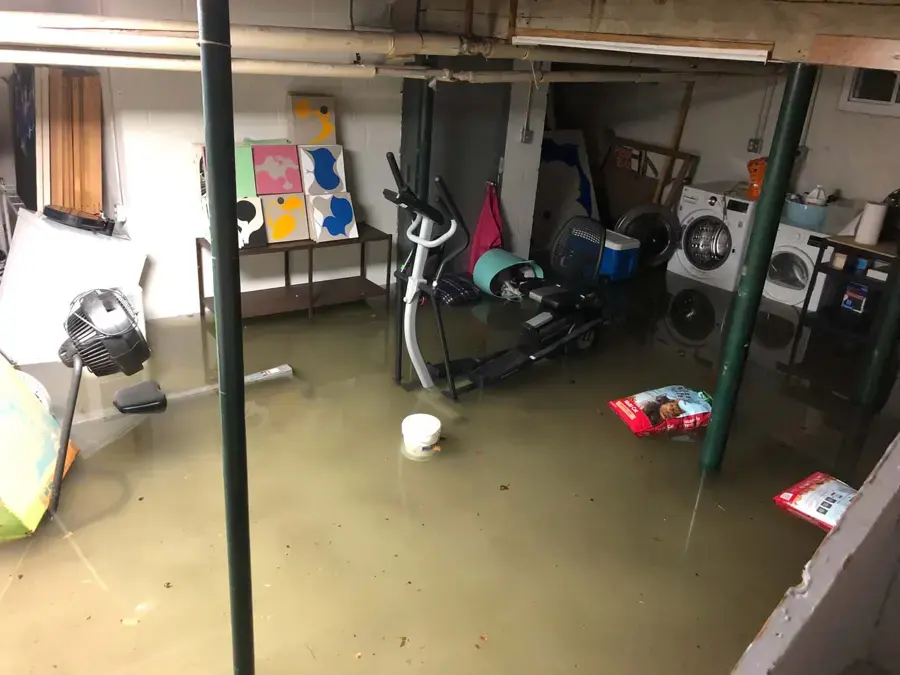
Commerce is a flat city with two river channels at its edges. The Los Angeles River forms part of the southwestern boundary, and the Rio Hondo separates Commerce from Downey. When heavy rain arrives, homeowners and shop owners often think first about sandbags, then about what to do if water still gets inside.
Key takeaways
- The City of Commerce has offered sandbags to residents at its Public Works Yard during rain.
- The Los Angeles River forms part of the southwestern boundary of Commerce and the Rio Hondo separates it from Downey.
- The county Flood Insurance Study lists Commerce among communities affected by the Rio Hondo Channel.
- Street water that enters a building is treated as Category 3 from the start, because it carries whatever the street carried.
- Extraction comes first, then the crew removes soaked materials and dries the structure to daily readings.
Two river channels and a flat city
Commerce sits on a flat valley floor beside the Los Angeles River and the Rio Hondo. Flat ground means water that leaves a street or a parking area spreads out rather than running away.
The Los Angeles River was channelized for flood control beginning in the late 1930s, which is a regional fact, not a local flood record. The county Flood Insurance Study lists Commerce among the communities affected by the Rio Hondo Channel.
What this does and does not say
Living beside a channel does not mean any given street floods. No specific flooded street or flood zone is listed in the information behind this article, and none is claimed here.
What it does mean is that heavy winter rain is a topic worth planning for, in the same way it is across the rest of the region.
Sandbags and the Public Works Yard
During rain, the City of Commerce has offered sandbags to residents at its Public Works Yard. City Public Works also handles streets, sewers and storm drains.
Sandbags can slow water at a door or a garage threshold. They are not a seal, and they do nothing for water that rises through a floor drain or comes in through a roof.
The city's stormwater page also lists a county number for clogged catch basins, sewer back-ups and water pipe breaks.
A blocked catch basin near a property can send street water toward a door, so reporting it before a storm is a sensible step.
- Place bags at doors, garage thresholds and low openings before the rain starts.
- Stack them in an offset pattern, like bricks, so they hold together.
- Keep bags off the sidewalk and out of the street so they do not block a catch basin.
- After the storm, handle wet bags with gloves, since they may carry street water.
Why street water is Category 3
Water from a street or a parking lot carries oil, dirt, trash and bacteria. When it enters a building, it is treated as Category 3 from the start.
That changes the work. A clean pipe leak can often be dried in place, but street water brings soil and contamination into carpet, pad and wall bases.
The Commerce storm flood cleanup service covers this work for homes and for shops and warehouses alike.
What to do if water gets in anyway
A door can fail, a drain can back up or a roof can leak. If water comes in, the aim is safety first, then speed.
Do not walk through standing water if it is near outlets or a panel, since it can carry current.
A flat building with a floor close to the street can take on water quickly at a loading door or a garage opening.
Shops and warehouses with roll-up doors often see water enter along the full width of the door instead of at one spot.
- Turn off power to the affected area if it can be done from dry ground.
- Move electronics, documents and small furniture to higher ground.
- Photograph the water mark on walls and furniture before cleanup starts.
- Open no walls yet. A crew will map the moisture first.
- Call for extraction so the standing water does not soak farther into materials.
How extraction and drying go
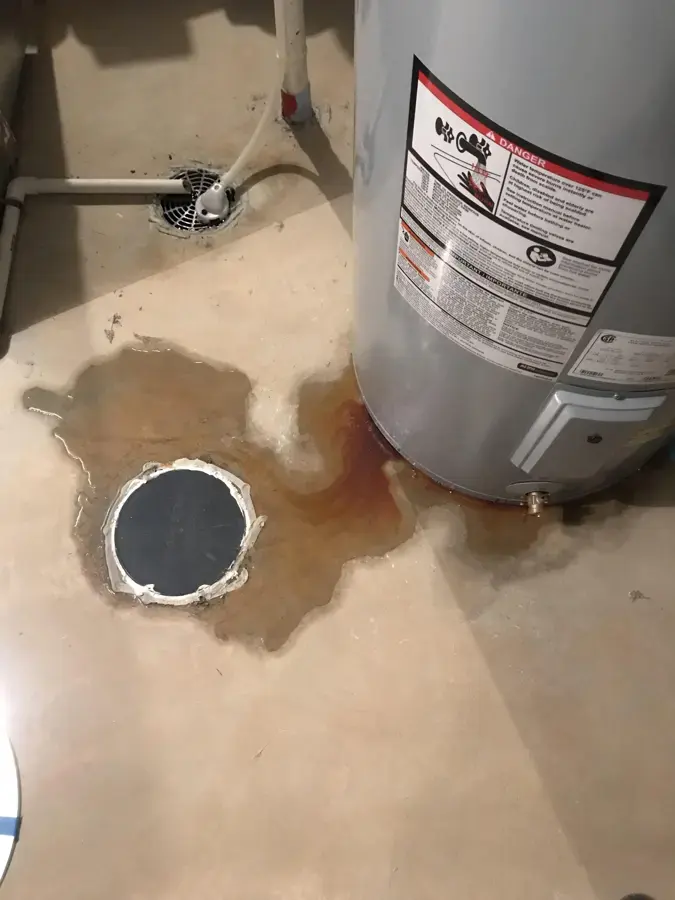
The first job is water extraction. Truck-mounted equipment and pumps pull standing water off the floor, and wet vacuums work the corners and thresholds.
The crew then removes materials that cannot be saved. Carpet and pad that soaked street water are discarded, and drywall that wicked the water is cut out above the wet area.
Surfaces are cleaned and treated, and the building is dried. Air movers and dehumidifiers run until readings show the structure is dry.
Homes beside warehouses, shops beside homes
Commerce has homes beside warehouses, shops and large industrial buildings. A rain event can reach a small house and a big building at once, and the plan for each is different.
A house calls for careful removal of flooring and wall bases. A large building calls for high-volume extraction, more equipment and work that is planned around the business.
Commerce has several well-known places, including Citadel Outlets, Commerce Casino and the Civic Center, plus food and grocery distribution and industrial buildings. Each of those property types has its own drying challenges.
Records for a claim
Flood coverage is separate from standard homeowner coverage in many policies, and storm water may fall under different terms than a burst pipe. It is a good idea to confirm terms with the insurer.
Take pictures of the building exterior, the doors and the street in front of it. A photo that shows where the water came from can help later if the cause is questioned.
For a business, a record of lost stock, days closed and temporary measures helps with a commercial claim.
Photographs, a list of damaged items and the crew's daily moisture readings make a claim easier to document.
The city page for water damage restoration in Commerce lists the other services available, from sewage backups to commercial losses.