Bell Gardens is a very dense city, with 39,501 residents at the 2020 Census packed into a small area. In 2010 about 76.0 percent of homes were rented. In that kind of housing, a washer or dishwasher hose that lets go in one unit rarely stays in that unit.
Key takeaways
- Bell Gardens had 39,501 residents at the 2020 Census in very dense housing, and about 76.0 percent of homes were rented in 2010.
- A supply hose leak can soak the floor, the shared wall and the unit below or beside before anyone sees it.
- Close the hose valve or the unit's water shutoff first, then tell the property manager right away.
- Photograph everything and keep records of what was wet, because several parties may need them.
- Drying has to cross shared walls, so the crew measures neighboring spaces and does not stop at the front door.
Why density changes the problem
Bell Gardens had 39,501 residents at the 2020 Census, and the 2010 Census counted 9,986 housing units. About 24.0 percent of occupied homes were owner-occupied and about 76.0 percent were rented.
In a building with shared walls, floors and ceilings, water does not respect a lease or a front door. A hose leak in a laundry closet can reach a hallway, a bathroom, a bedroom and the unit next door.
The Los Angeles County Fire Department serves the city from Station 39, and Golden State Water Company is the water utility for Bell Gardens.
Neither of them handles the water inside a unit, so the response to an indoor leak falls to the tenant, the property manager and a restoration crew.
The slow leak and the sudden one
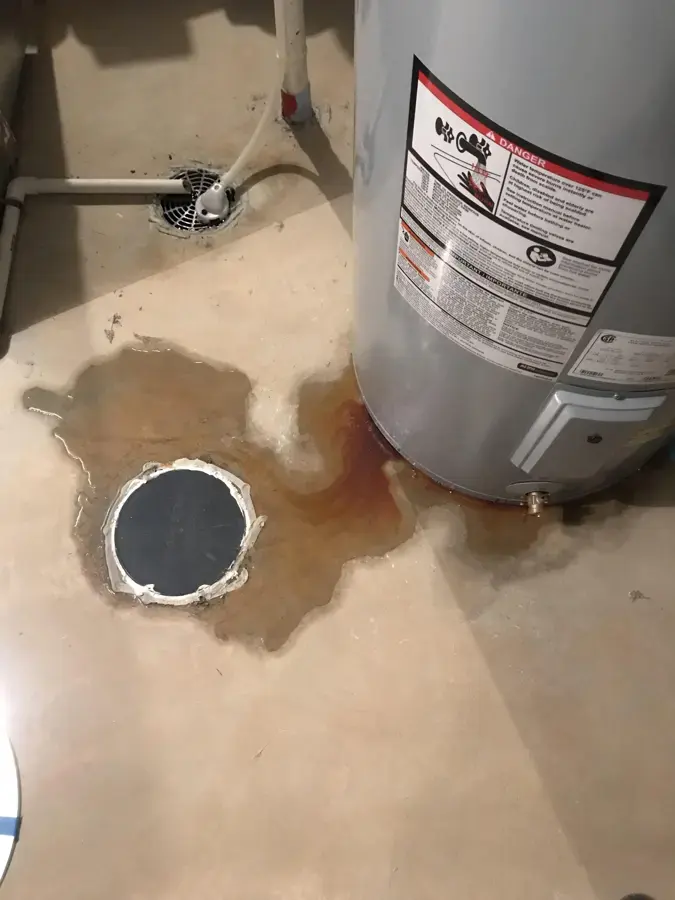
A hose that lets go suddenly floods a floor within a short time. A hose that weeps at a fitting can leak for weeks behind a washer, and the floor under it can stay wet without any sign.
Both are common, and both are covered by the same first steps.
Where appliance leaks start
Appliance leaks have a short list of usual sources. Knowing them helps a tenant describe the problem, and helps a landlord find it.
- Washer hoses, which carry full water pressure and wear at the ends.
- Dishwasher supply connections and drain hoses under the sink.
- Ice maker tubing behind a refrigerator.
- Toilet supply connectors and shutoff valves.
- Under-sink supply and drain connections for kitchen and bathroom faucets.
- A clogged washer drain that overflows when the washer empties.
The first steps in a rental unit
The first steps are the same for a tenant and an owner: stop the water, protect the space and tell the right people.
A tenant should tell the property manager as soon as the water is under control, because water in a shared building can affect more than one unit.
- Close the valve at the wall behind the appliance, or the water shutoff for the unit if one is accessible.
- Unplug the appliance if the cord is dry and reachable.
- Move rugs, boxes and furniture away from the wet floor.
- Take photos and a short video of the leak and the wet areas.
- Contact the property manager or owner right away.
- Call a restoration crew to extract the water and measure how far it went.
How water crosses shared walls
Water moves downhill and sideways. It runs along a floor to the nearest wall, wicks into the drywall base and then follows pipes and framing into the next space.
In a multi-unit building, the wall between two units may hold supply pipes, drain pipes and wiring. Water that runs down that wall can reach several rooms.
A leak above can also come through a ceiling below. That situation is described on the Bell Gardens ceiling leak water damage page, and it often starts with an appliance one floor up.
What the crew does
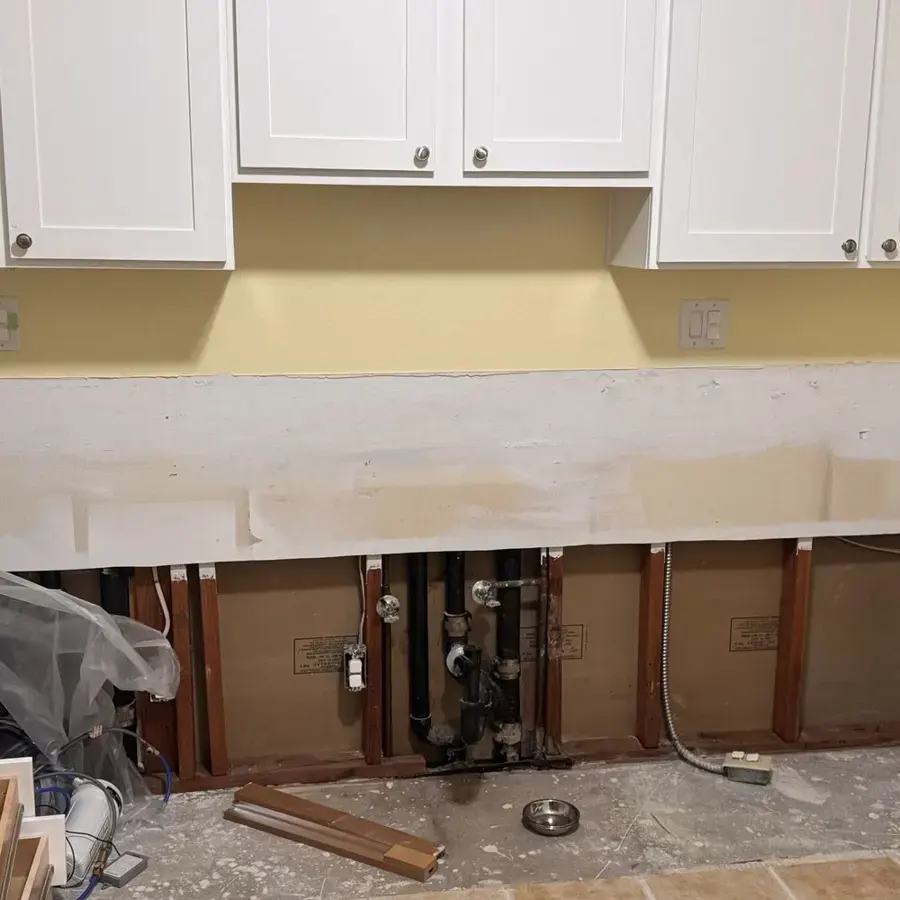
The first work is extraction. The crew pulls standing water off the floor, then checks the cabinet bases, the toe kicks and the walls around the appliance.
A moisture meter and a thermal camera show where water went. In a shared building, the crew asks for access to neighboring spaces so the readings continue past the first unit.
Drywall bases and baseboards are opened where they stay wet. Wet flooring that cannot be saved is removed, and air movers and dehumidifiers are set up to dry what remains.
The full range of this work is described on the Bell Gardens appliance leak page, which covers washers, dishwashers and supply hoses.
Extraction is the fastest way to limit the damage, so water extraction is usually the first call. The longer water sits against a cabinet base or a wall, the more it wicks upward and the more material has to be opened later.
In a rental, the crew also writes down what was removed and what was left, so the owner and the tenant both have the same record of the work.
Records that help a tenant and a manager
A leak in a shared building often involves a landlord's insurer and a tenant's renters policy. Clear records help each of them.
Coverage differs by policy, so it is wise to confirm terms with the insurer. Keep every photo, message and receipt in one place.
- Photos of the hose, the valve and the wet floor.
- The time the leak was found and the time the water was shut off.
- Messages with the property manager.
- A list of damaged belongings and their approximate value.
- The crew's moisture readings from each day of drying.
Preventing the next hose failure
Most washer hose failures are preventable. Rubber hoses harden and crack over the years, and a braided steel replacement costs little compared with a flooded unit.
Pull the washer out once or twice a year and look at the hoses and the valves. A bulge, a rust stain or a drip at the fitting means the hose is due.
Shutting the washer valves when going away for a few days is another small habit that limits the damage if a hose fails while no one is home.