Storm Flood Cleanup in Bell Gardens, CA
Bell Gardens sits along the Rio Hondo and Los Angeles River levee system, and a March 2023 report named it among the communities at highest risk of river flooding. The crew handles floodwater, silt and drying.
(888) 563-9619Flood cleanup, Bell Gardens- Silt and debris removed
- Flood cut above water mark
- Antimicrobial treatment
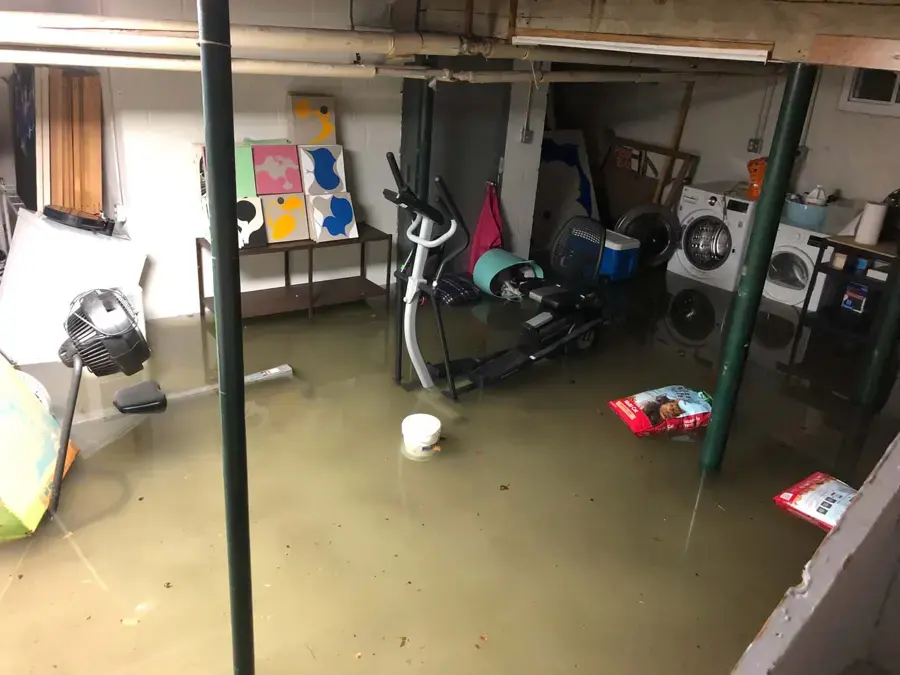
First steps for storm flood cleanup in Bell Gardens
- 1
Stay out of floodwater
Street and river water is Category 3, so avoid wading, keep children and pets out and shut off power to wet areas.
- 2
Document the loss
Photograph the high water mark, damaged belongings and each wet room before anything is moved.
- 3
Call for extraction
Report the depth of water and the rooms affected so the right pumps and extraction units are sent.
- 4
Wait on cleanup
Leave wet drywall, carpet and silt in place until the crew has protective gear and a containment plan.
How storm flood cleanup is handled in Bell Gardens
Remove water and silt
Pumps and truck-mounted units clear standing water, then shovels and vacuums remove the silt and debris that settled in garages and rooms.
Cut above the water mark
Drywall is removed a short way above the high water mark, along with wet insulation, so wall cavities can dry and be cleaned.
Clean and treat
Hard surfaces and framing are washed and treated with an antimicrobial, because floodwater carries soil and bacteria into every material it reaches, including framing.
Dry with containment
Air scrubbers and dehumidifiers run behind plastic where needed, and daily readings show when the structure reaches the dry goal and is cleared for rebuilding.
What does storm flood cleanup cost in Bell Gardens, CA?
Storm flood cleanup in Bell Gardens runs from $3,000 to $5,500 for a garage or one room, $5,500 to $10,000 for several rooms and $10,000 to $18,000 for most of the house. Depth and silt shift the price.
The drivers are the water category, the square footage that got wet, the material class and how fast drying started. The water damage cost calculator gives a planning range; a firm number comes after the walkthrough.
How storm flood cleanup moves from wet to dry
- 1
Pump
Standing floodwater is pumped out and extracted from every room.
- 2
Clear
Silt, debris and wet materials are shoveled and removed.
- 3
Treat
Surfaces and framing are washed and get an antimicrobial.
- 4
Dry
Scrubbers and dehumidifiers run to the goal.
Floodwater is not clean water. When street runoff or river water enters a building it carries silt, soil and bacteria, which is why storm jobs go beyond drying and include removal, cleaning and treatment of every porous material the water reached. The crew sets the order of work.
Why Bell Gardens takes river flooding seriously
- Part of the Rio Hondo and Los Angeles River levee system includes the city
- A March 2023 Los Angeles Times report named it among the highest river flood risks
- The Army Corps of Engineers stabilized the river after catastrophic floods
- City code addresses periodic inundation in flood hazard areas
- Heavy winter storms can overload drains and flood garages
What the first day looks like
Pumps and extraction units go to work first, then the crew shovels and vacuums silt and removes carpet, pad and baseboards. Protective gear and containment keep contaminated dust out of clean rooms.
Garages are the usual starting point because they sit low and hold stored belongings. The crew sorts items by what can be cleaned and what must be discarded, and photographs both for the claim.
Drying and cleaning after the flood cut
After the flood cut, walls and floors are cleaned and treated, then dried with scrubbers and dehumidifiers until readings reach the goal. When sewage mixes with floodwater, sewage backup cleanup steps apply, and structural drying covers the final verification of every wet material.
Emergency dispatch for Bell Gardens, CA
Floodwater carries silt and bacteria into every material it touches. Call the crew for extraction, silt removal, cleaning and drying.
Storm flood cleanup across Bell Gardens, CA
The restoration crew covers all of Bell Gardens, from Billy Goat Acres and the Casa Mobile Home Park to the blocks around Garfield Avenue and John Anson Ford Park. One call starts the response, and the drying plan follows what the tech finds on site.
See every area servedWinter Storm and Street Flooding questions in Bell Gardens, CA
Water still coming in?
The Bell Gardens restoration crew rolls day and night, weekends and holidays included.
Talk the damage through with a Bell Gardens proIs floodwater treated differently from a pipe leak?
Yes. Floodwater is Category 3 because it carries soil, bacteria and debris, so the crew removes porous materials, cleans hard surfaces and treats framing rather than drying everything in place.
Can carpet be saved after street flooding?
Usually not. Carpet and pad that sat in floodwater are removed because they hold contamination that cleaning cannot fully reach. Hard floors and framing can often be cleaned, treated and dried.
What is a flood cut?
A flood cut removes drywall a short distance above the high water mark so the wet and contaminated section can come out and the cavity can be cleaned and dried before new board goes up.
How soon should flood cleanup start?
As soon as it is safe to enter. Silt and wet materials break down quickly, and mold can start in 24 to 48 hours, so delay raises the cost and the amount of material that must be removed.
Does the crew help with insurance paperwork?
The crew documents the depth, the materials removed and the drying readings with photos and a written scope. Flood coverage differs from standard policies, so confirm terms with the insurer directly.
Is this the same as a sewage backup?
No, though the two can overlap. Floodwater and sewage are both Category 3, but sewage backups come from the building drain system and need their own containment and treatment steps.
Flooded garage or home? Call the crew
Tell the dispatcher how deep the water got and which rooms it reached, and the crew plans pumping and cleanup.