Slab Leak Water Damage in Bell Gardens, CA
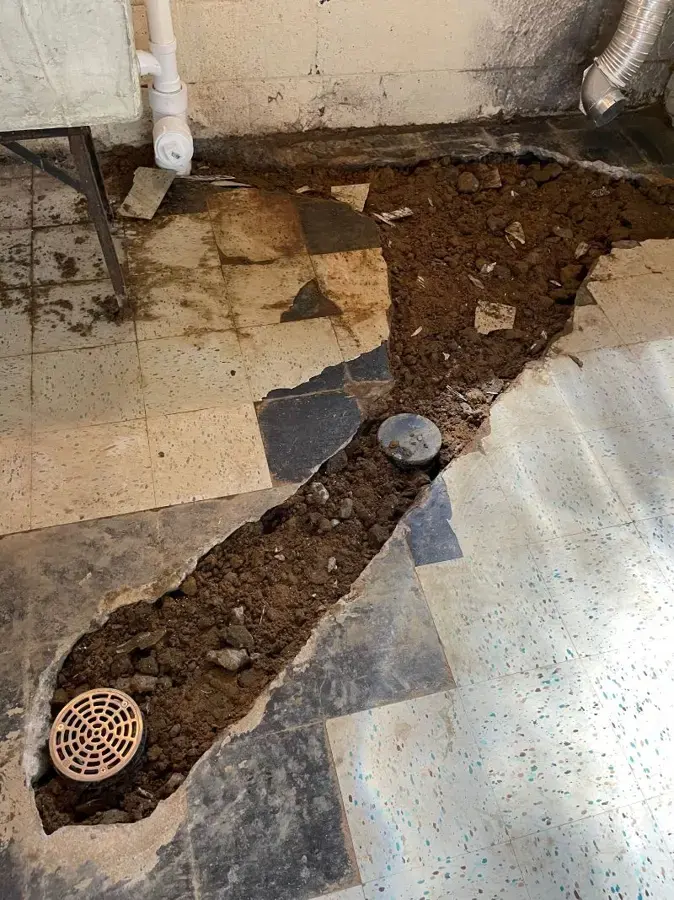
A pressurized pipe leaking beneath a concrete floor wets flooring from below and can spread sideways into walls. The restoration crew finds the wet zone, opens the floor and dries the slab.
(888) 563-9619Slab leak help for Bell Gardens- Slab moisture readings
- Flooring lifted over wet zones
- Drying mats on the slab
First steps for slab leak water damage in Bell Gardens
- 1
Spot the signs
Warm floor patches, damp carpet, a hissing sound or a sudden jump in the water bill can all point to a leak under the floor.
- 2
Shut off the water
Close the main shutoff for the building and call a plumber to confirm and repair the failed pipe.
- 3
Call the crew
Report where flooring is wet so the restoration crew can bring meters, thermal imaging and extraction gear.
- 4
Keep records
Photograph wet flooring, baseboards and any stained walls before furniture is moved.
How slab leak water damage is handled in Bell Gardens
Find the wet zone
Thermal imaging and a moisture meter show where water has collected under and around the flooring, which guides how much has to be opened.
Open the flooring
Carpet, pad, laminate or tile over the wet area is lifted so air can reach the concrete, and damp baseboards are pulled as needed.
Clear the concrete
Surface water is extracted, then drying mats and low-grain dehumidifiers pull moisture out of the slab itself, which holds water longer than framing does.
Dry the rooms around it
Walls and cabinet bases beside the leak are opened where readings stay high, and daily checks continue until each reading reaches the dry goal.
What does slab leak water damage cost in Bell Gardens, CA?
Slab leak water damage in Bell Gardens runs from $2,500 to $4,000 for a single room, up to $4,000 to $8,000 across several rooms and $6,000 to $12,000 with kitchen cabinets. The pipe repair itself is separate.
The drivers are the water category, the square footage that got wet, the material class and how fast drying started. The water damage cost calculator gives a planning range; a firm number comes after the walkthrough.
How slab leak water damage moves from wet to dry
- 1
Locate
Meters and thermal imaging mark the wet zone under flooring.
- 2
Expose
Wet flooring and baseboards come up over the leak.
- 3
Remove
Standing water leaves the surface and the slab edges.
- 4
Dehumidify
Mats and dehumidifiers work until readings reach the goal.
A leak beneath a concrete floor stays hidden until flooring turns damp, warm or discolored. By then water has often spread under carpet, into baseboards and along wall bases, and the restoration crew has to treat the whole wet footprint, not only the spot where the pipe failed.
Signs the water is under the floor
- A warm spot on tile or hardwood that no heater explains
- Carpet that stays damp even after it has been dried
- Baseboards that swell or pull away from the wall
- A hissing or running sound when every fixture is off
- A water bill that climbs while usage stays the same, which suggests a pressurized pipe is losing water
Why concrete takes longer to dry
Concrete soaks up water and gives it back slowly. Drying mats and low-grain dehumidifiers work on the slab itself, and the job is not done until concrete readings, not only the surface, reach the dry goal.
Cabinets add a wrinkle. Where water reached a kitchen or bath vanity, the bases are opened so the slab beneath them can dry and swelling can be judged before anything is covered again.
Plumber first, then drying
The restoration crew dries and documents damage, but a plumber has to confirm and repair the pipe before the floor is closed. When the leak is old, the crew also checks nearby rooms with structural drying readings and checks galvanized pipe leak damage when older plumbing is suspected.
Emergency dispatch for Bell Gardens, CA
Warm patches or damp flooring can mean a pressurized pipe is leaking below. Call the crew to locate the wet zone and dry the slab.
Slab leak water damage across Bell Gardens, CA
The restoration crew covers all of Bell Gardens, from Billy Goat Acres and the Casa Mobile Home Park to the blocks around Garfield Avenue and John Anson Ford Park. One call starts the response, and the drying plan follows what the tech finds on site.
See every area servedSlab Leak Water Damage questions in Bell Gardens, CA
Water still coming in?
The Bell Gardens restoration crew rolls day and night, weekends and holidays included.
Talk the damage through with a Bell Gardens proHow is a slab leak different from a burst pipe?
A slab leak sits under the concrete and can go unnoticed for weeks, while a burst pipe usually floods a room at once. Slab leaks need flooring opened to reach the moisture and dry it.
Does the crew repair the leaking pipe?
No. A plumber repairs the pipe. The restoration crew handles extraction, flooring removal, drying and documentation, and the two trades usually coordinate so the floor is not closed before readings are dry.
Can hardwood or tile survive a slab leak?
Sometimes. Tile often dries in place, while hardwood that has cupped or lifted usually has to come up. Moisture readings taken across the floor decide which pieces stay and which go.
How long does a slab need to dry?
Concrete releases moisture slowly, so drying often runs longer than for a framed floor. Daily readings with the same meter show the trend, and equipment stays until the numbers settle at the goal.
Will an insurer cover a slab leak?
Coverage varies by policy and by cause, so confirm terms with the insurer. The crew documents the wet area, the readings and the removed materials so the adjuster has a clear record to examine.
What should a tenant do about a suspected slab leak?
Tell the property manager in writing, close the unit's valve if there is one, photograph damp areas and call the crew. Dense multi-unit buildings can share floors, so early reports protect neighbors too.
Wet floors and a hidden leak? Call the crew
Describe the damp areas, and the crew plans the opening, the extraction and the slab drying.